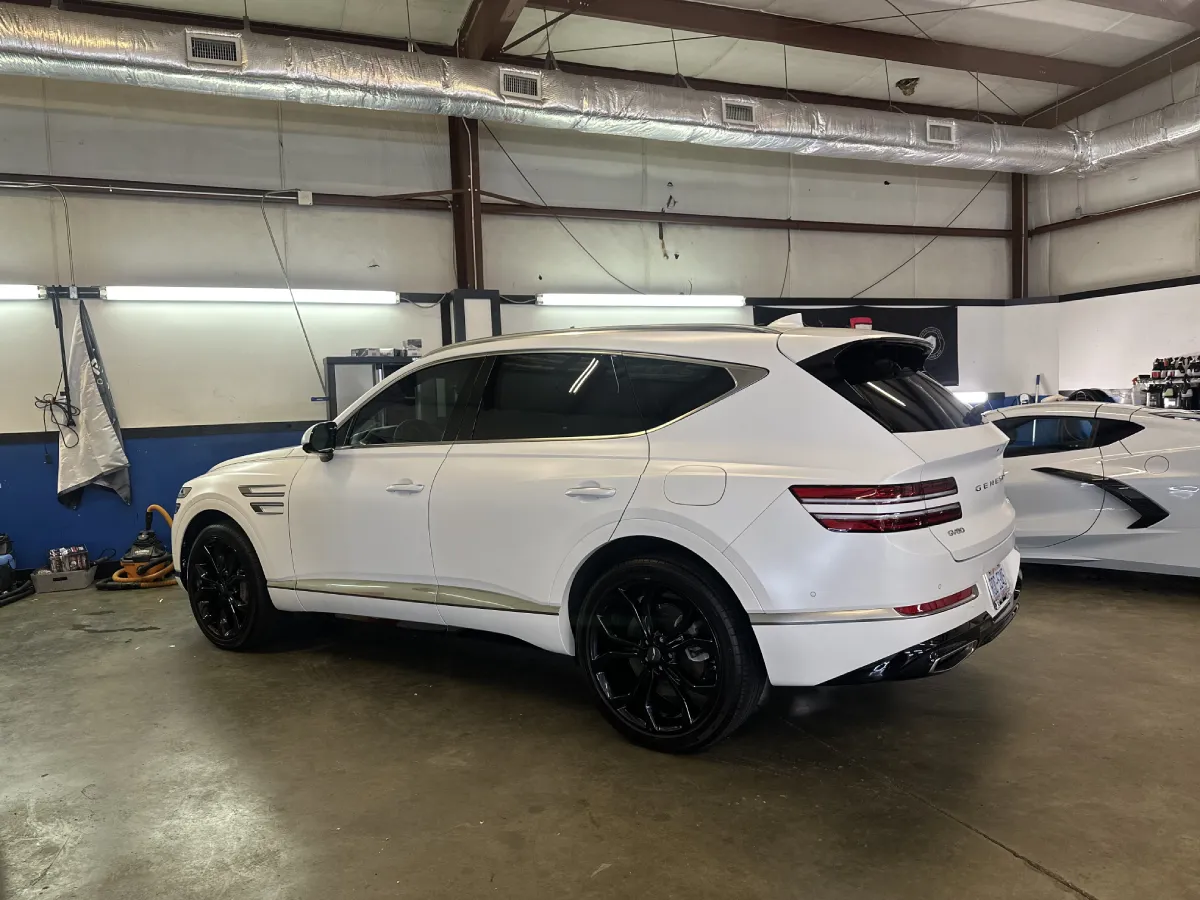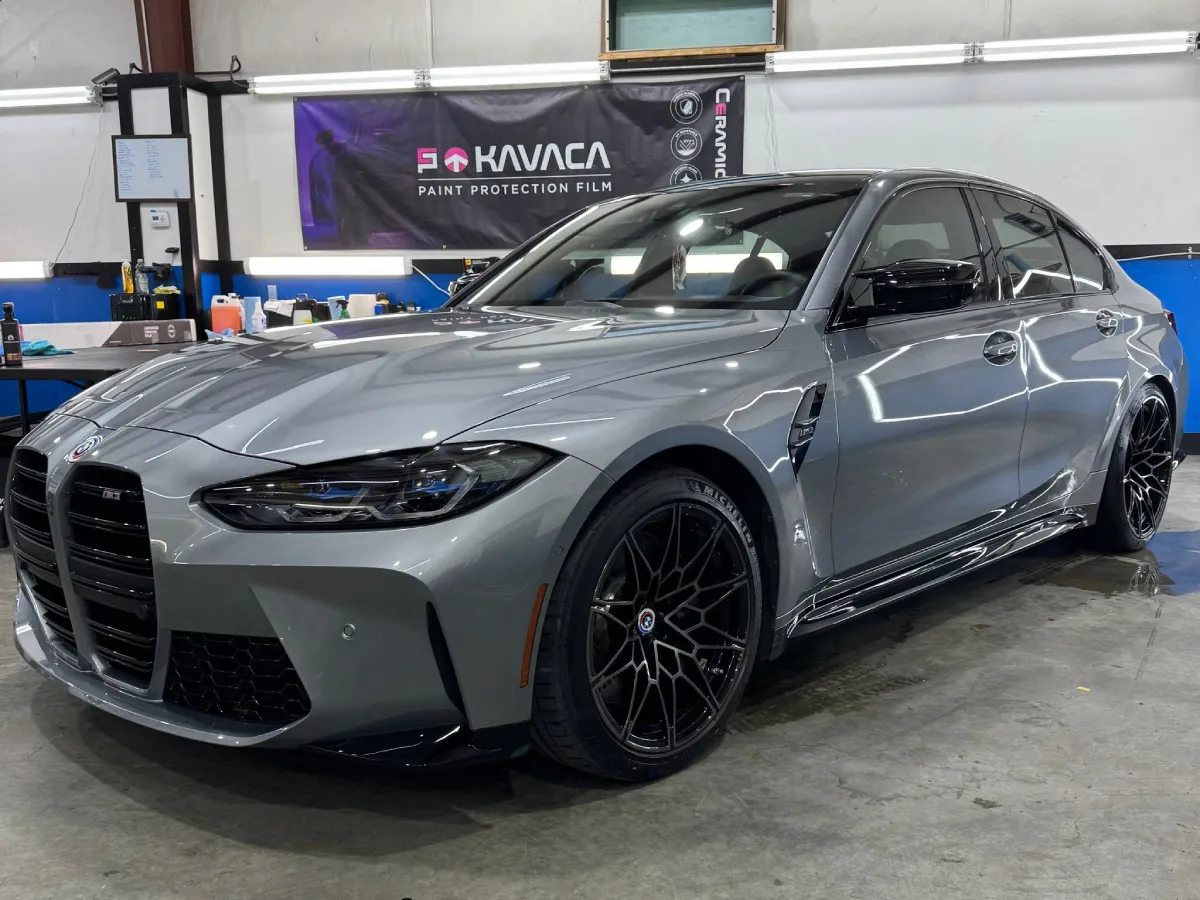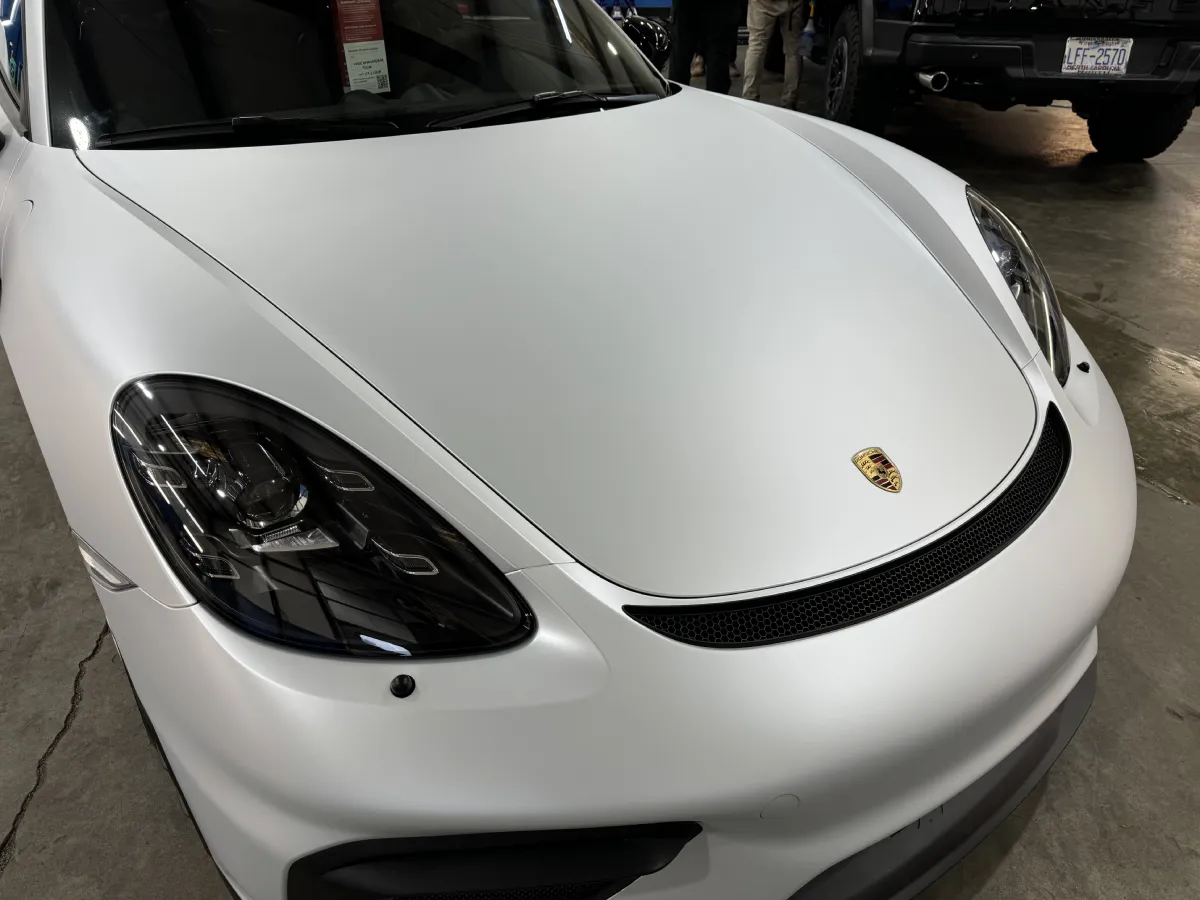
Paint Protection Film (PPF) is a transparent urethane-based layer applied to a vehicle’s painted surfaces to protect against rock chips, scratches, UV exposure, and environmental wear. It works by absorbing physical impact before it reaches factory paint, helping preserve the original finish for years under real-world driving conditions. More vehicle owners are choosing this solution as modern road conditions have become increasingly harsh, with everyday driving exposing vehicles to constant risks that can quickly wear down exterior surfaces.
Unlike waxes or ceramic coatings that improve appearance or surface behavior, PPF provides physical protection. That distinction is the main reason it has become one of the fastest-growing vehicle preservation technologies in the automotive care industry.
What Paint Protection Film Actually Is
Paint Protection Film is a multi-layer thermoplastic urethane material engineered to protect automotive paint without altering the vehicle’s appearance. When installed correctly, it is virtually invisible and maintains factory gloss and color depth.
It is designed for long-term durability, flexibility, and resistance to both physical impact and environmental contaminants.
Core Technical Structure of PPF
Thermoplastic Urethane Layer
A flexible, high-strength polymer that conforms to complex vehicle surfaces while resisting tearing and abrasion.
Elastomeric Self-Healing Coating
A surface layer that allows minor swirl marks and fine scratches to disappear when exposed to heat.
Pressure-Sensitive Adhesive System
A specialized adhesive that bonds securely to paint while allowing safe removal when installed professionally.
Impact-Dispersion Layer
A core structure that spreads energy from rock chips and debris to reduce visible damage.
UV-Stabilized Finish Layer
Helps prevent oxidation, fading, and long-term discoloration from sun exposure.
Optical Clarity Design
Ensures the film does not distort reflections or alter paint color.
Why More Drivers Are Choosing Paint Protection Film Today
The rise in paint protection film in Raleigh, NC, is not driven by aesthetics alone; it reflects changes in road conditions, vehicle manufacturing, and ownership costs.
1. Everyday Driving Now Causes Continuous Micro-Damage
Modern vehicles face constant exposure to:
- Highway gravel and debris
- Construction zones and loose asphalt
- Sand, dust, and airborne particles
- Dense commuter traffic
Even short daily commutes contribute to gradual paint deterioration that accumulates over time. Most owners do not notice damage until chips or swirl marks become visible on high-impact areas like bumpers and hoods.
2. Modern Automotive Paint Is More Vulnerable Than Expected
While today’s paint systems are visually advanced, they are optimized for efficiency, environmental compliance, and appearance rather than impact resistance.
Factory clear coats remain vulnerable to:
- Rock chip penetration
- Surface scratching from debris
- Chemical staining from contaminants
- UV-related fading over time
This is where Paint protection film in Raleigh fills a functional gap by acting as a sacrificial protective layer.
3. Repair Costs Have Increased Significantly
Cosmetic paint repair is more complex than many owners expect. Modern refinishing often requires:
- Multi-layer color blending
- Precision color matching
- Panel-level refinishing instead of spot repair
Even minor damage can escalate into expensive correction work. Preventing damage at the surface level is often significantly more cost-effective than repairing it later.
How Paint Protection Film Works in Real Driving Conditions
PPF is designed for real-world road environments, not controlled laboratory conditions. Its primary function is to absorb and redistribute energy from impact events.
Impact Protection Cycle
- A rock or debris particle strikes the surface
- The film absorbs and disperses kinetic energy
- The force is neutralized before reaching the paint layer
This mechanism is what makes Raleigh, NC paint protection film fundamentally different from wax or ceramic coatings, which do not provide physical impact resistance.
Paint Protection Film vs Ceramic Coating
Both technologies serve different roles and are often misunderstood as interchangeable.
| Feature | Paint Protection Film | Ceramic Coating |
| Rock chip resistance | High | Low |
| Scratch resistance | Medium–High | Low |
| Self-healing capability | Yes | No |
| UV protection | High | High |
| Chemical resistance | High | Medium |
| Gloss enhancement | Moderate | High |
| Physical barrier | Yes | No |
PPF is best understood as impact protection, while ceramic coatings are primarily for surface enhancement, hydrophobicity, and easier cleaning.
Where Paint Protection Film Provides the Most Value
Most installations focus on high-impact zones where damage is most likely to occur.
Front-End Protection Areas
- Front bumper (highest impact zone)
- Hood leading edge
- Front fenders
- Side mirrors
- Headlight lenses
Secondary Wear Zones
- Door edges from parking lot contact
- Door handle recess areas
- Rocker panels from road spray
- Rear wheel arches from tire debris
These zones typically show the earliest signs of paint wear in daily-driven vehicles.
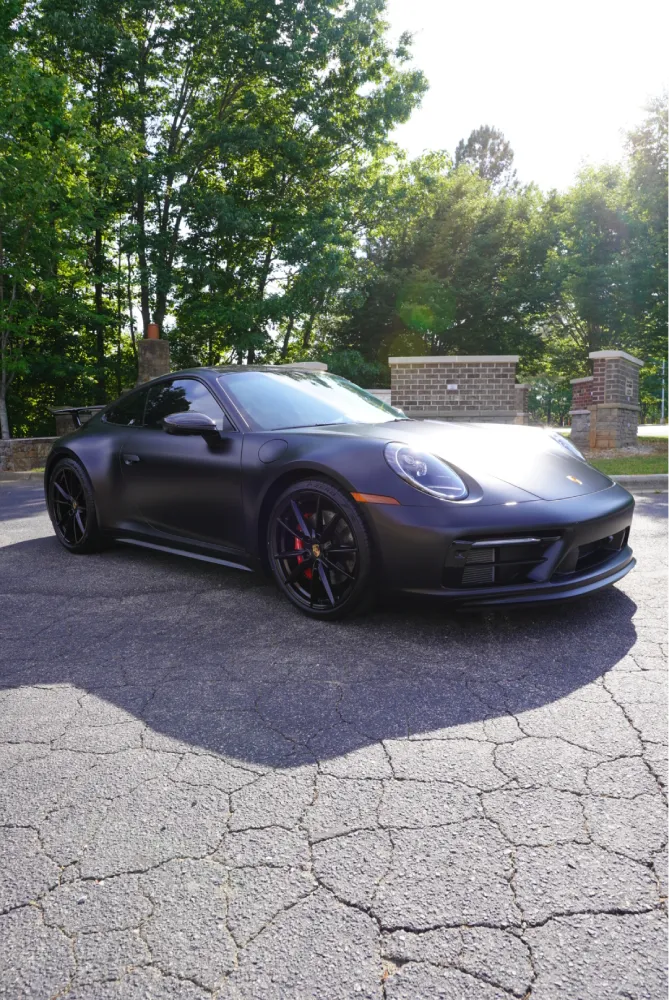
Real-World Ownership Observations
In practical use cases, vehicle owners often notice patterns of damage that reinforce the value of protective film.
A commuter vehicle that is frequently driven on highways often shows early signs of chipping on the front bumper within weeks or months of ownership.
Another common scenario involves vehicles that are washed frequently at automated car washes, where fine swirl marks accumulate rapidly on unprotected surfaces.
Performance and luxury vehicle owners also report greater sensitivity to cosmetic imperfections, which directly affects resale-value expectations and long-term ownership satisfaction.
How Long Does Paint Protection Film Last
High-quality Raleigh paint protection film typically lasts between 5 and 10 years, depending on installation quality, driving conditions, and maintenance habits.
Key Factors That Influence Longevity
Material Grade
Premium films offer better clarity, elasticity, and resistance to yellowing over time.
Installation Precision
Proper surface preparation is critical for long-term adhesion and performance stability.
Environmental Exposure
UV intensity, temperature fluctuations, and road salt exposure affect long-term durability.
Driving Behavior
Highway-heavy driving increases exposure to debris impact.
Maintenance Practices
Gentle washing and avoiding harsh chemicals significantly extend film life.
Professional Installation Process
Correct installation is essential for achieving both visual clarity and long-term durability.
1. Surface Inspection
The paint is evaluated for imperfections, contamination, or previous correction work.
2. Deep Cleaning and Decontamination
The vehicle is thoroughly cleaned to remove embedded particles that could affect adhesion.
3. Paint Correction (If Required)
Minor swirl marks or defects are corrected before film application to ensure optimal clarity of the finish.
4. Precision Film Cutting
Computer-generated templates ensure accurate panel fitment and reduce unnecessary trimming.
5. Controlled Installation
The film is applied using professional slip solutions and squeegee techniques to eliminate bubbles and misalignment.
6. Edge Finishing and Final Inspection
Edges are sealed, and the entire surface is checked for clarity, adhesion, and uniform appearance.
Structured Protection Methodology (Ceramic Pro Raleigh Process)
At Ceramic Pro Raleigh, installations follow a structured, repeatable process designed for consistency and long-term performance.
Step 1: Vehicle Assessment
The vehicle’s paint condition is analyzed to determine preparation needs.
Step 2: Surface Preparation
Includes deep cleaning and decontamination to ensure proper bonding.
Step 3: Correction Work (If Needed)
Light polishing is performed to enhance surface clarity before installation.
Step 4: Precision Installation
Film is installed using controlled techniques to ensure alignment and defect-free application.
Step 5: Edge Sealing
Edges are secured to improve durability and long-term adhesion.
Step 6: Final Quality Review
A full inspection ensures optical clarity and installation consistency.
Common Misconception About Paint Protection Film
A frequent misunderstanding is that paint protection film is only necessary for luxury or exotic vehicles.
In reality, daily-driven vehicles often experience more exposure to damaging conditions due to:
- Higher mileage accumulation
- Frequent highway driving
- Constant exposure to debris
As a result, everyday commuter vehicles often benefit just as much, if not more, from surface protection strategies.
Why Paint Protection Film Is Becoming Standard
The growing adoption of PPF is driven by practical ownership trends:
- Increasing repair and refinishing costs
- More aggressive road environments
- Improved film technology and durability
- Greater awareness of resale value preservation
What was once considered an optional upgrade is now widely viewed as a standard part of modern vehicle protection.
Why Vehicle Owners Trust Ceramic Pro Raleigh
At Ceramic Pro Raleigh, paint protection installations are built around precision, high-quality surface preparation, and long-term performance.
Each vehicle receives a structured process designed to preserve factory paint integrity while delivering consistent protection against real-world driving conditions across all vehicle types.
In Summary
Paint protection film is one of the most effective long-term solutions for preserving automotive paint under real-world driving conditions. It provides a level of physical protection that traditional coatings cannot match, making it a practical choice for drivers who want to maintain factory finish quality and reduce long-term cosmetic damage.
To protect your vehicle with professional-grade installation and structured application processes, contact us for expert guidance and tailored protection solutions.
People Also Ask
What does paint protection film do?
It protects automotive paint from rock chips, scratches, UV damage, and environmental contaminants.
Is paint protection film worth it?
Yes. It helps preserve factory finish quality and reduces long-term cosmetic repair costs.
Does PPF change how a car looks?
No. When installed correctly, it is nearly invisible and maintains the original paint appearance.
How long does paint protection film last?
Typically 5–10 years, depending on film quality and maintenance.
Can paint protection film be removed?
Yes. It can be safely removed without damaging factory paint when professionally installed.