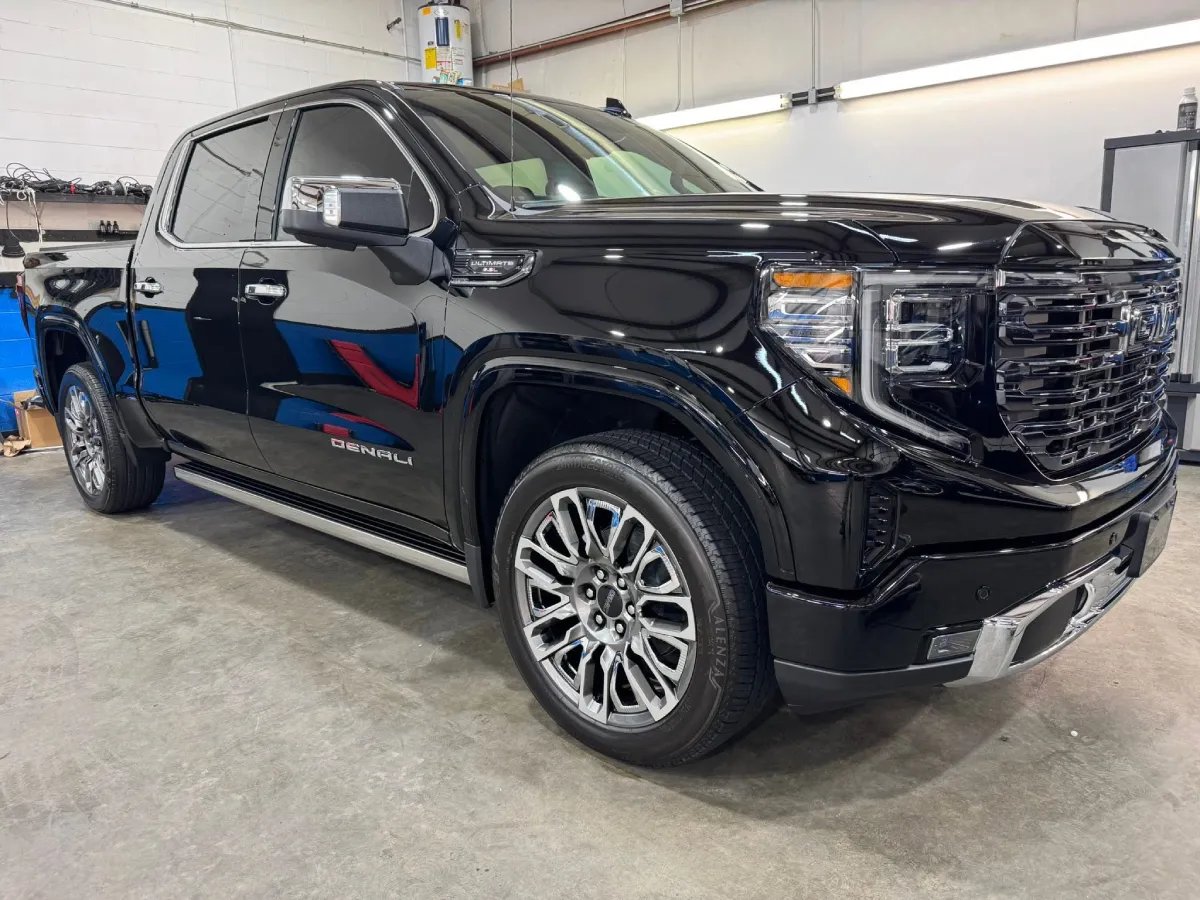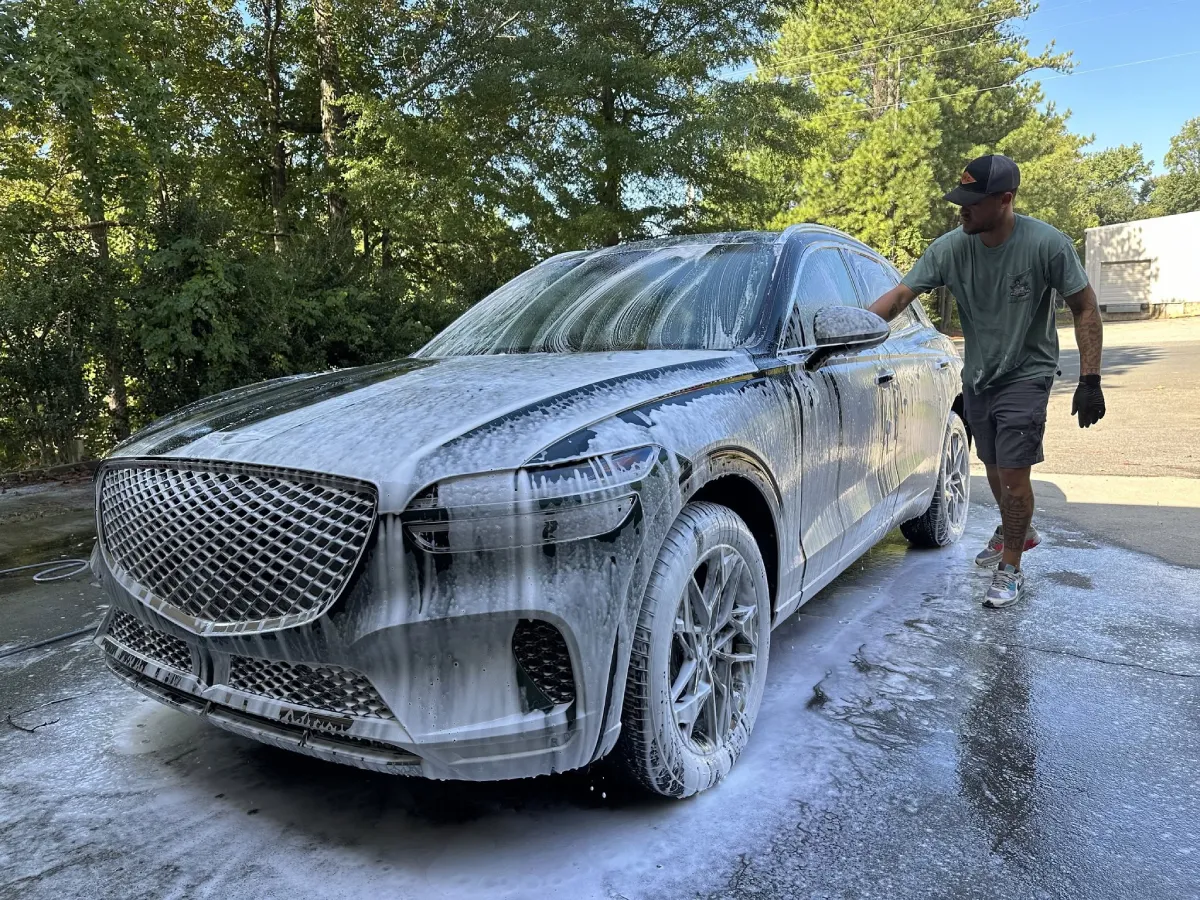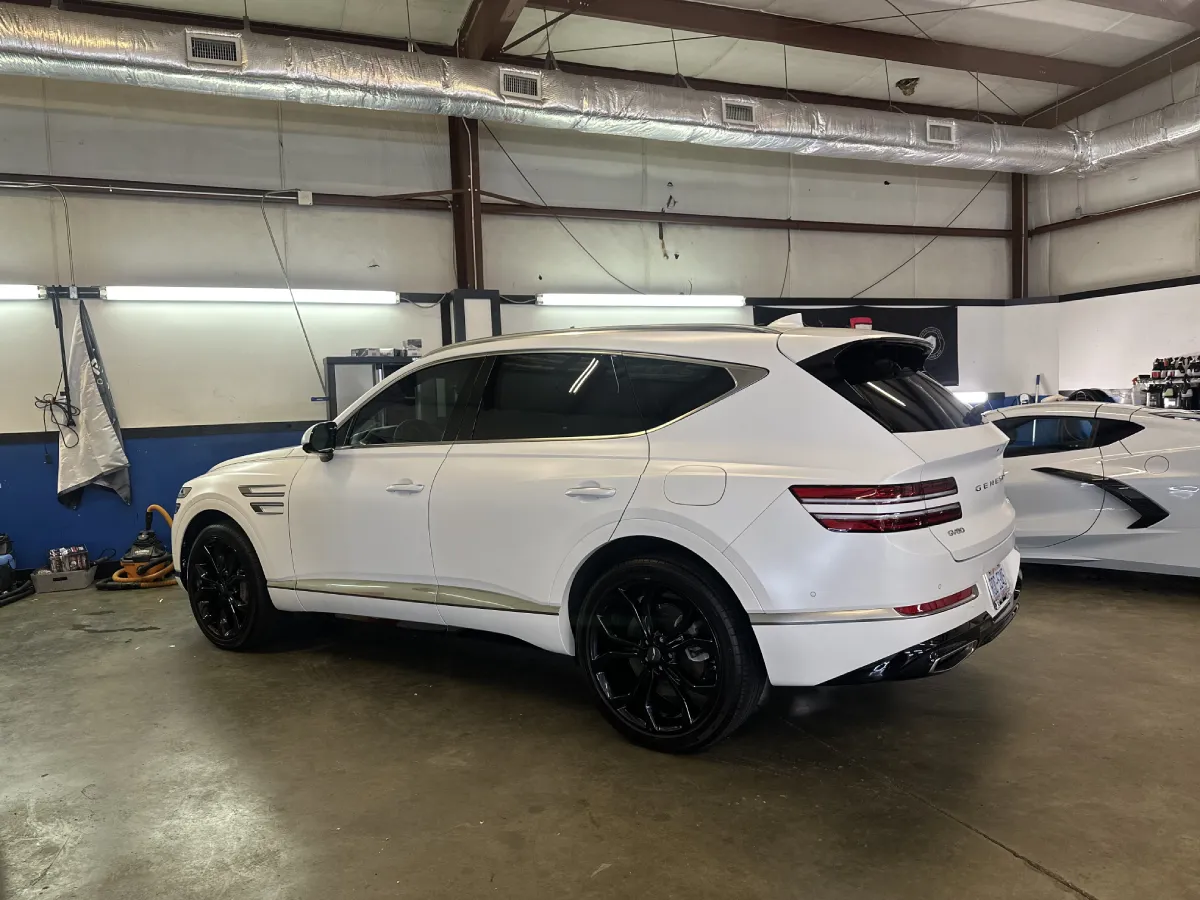
Wrapping a leased car does not automatically result in penalties at lease return. What matters is the condition of the factory paint underneath the vinyl and whether the wrap is removed correctly before inspection.
When installed and removed professionally, a vinyl wrap can protect the vehicle’s original finish and reduce wear-and-tear charges. Problems typically arise only when installation quality is poor, the wrap is left on too long, or removal is rushed without proper surface correction.
How Lease Inspectors Evaluate a Wrapped Vehicle
Lease-end inspectors do not evaluate the aesthetics of vinyl. They evaluate whether the vehicle can be returned to its original factory condition without signs of modification impact.
A wrap is treated as a reversible layer, but inspectors are trained to identify what happens after it comes off. That means the inspection is ultimately about reversibility, not appearance.
What inspectors actually check
- Integrity of the clear coat after removal
- Adhesive residue, haze, or shadowing (“ghosting”)
- Edge marks or lifted paint at seams and corners
- Evidence of scratches or dents hidden during the lease term
- Inconsistencies in gloss level between panels
- Signs of polishing or correction performed after removal
One important detail often missed is that modern inspection tools include high-intensity lighting that reveals micro-defects that are not visible in normal daylight.
Condition comparison at lease return
| Category | Wrapped Vehicle (Proper Handling) | Unwrapped Vehicle |
| Paint protection during lease | High | None |
| Wear accumulation | Reduced | Continuous exposure |
| Risk at inspection | Concentrated on the removal stage | Spread throughout the lease |
| Residue risk | Possible but controllable | None |
| Predictability of outcome | High with planning | Moderate |
A wrap does not eliminate risk; it shifts it to a later stage in the lease lifecycle.
End-of-Lease Inspection Process Explained
Lease inspections follow a structured, standardized evaluation process. While leasing companies may vary slightly, the workflow is generally consistent across manufacturers, including considerations related to vinyl wrap in Apex, NC.
1. Exterior condition audit
Inspectors examine paint surfaces, bumpers, trim, wheels, glass, and panel alignment. This stage is where wrap-related issues are most likely flagged.
Key evaluation points include:
- Paint depth consistency
- Scratch and chip classification (light, moderate, severe)
- Panel fitment and alignment
- Surface texture irregularities
- Evidence of repainting or correction
2. Interior condition review
Interior wear is assessed against normal usage expectations:
- Seat wear and bolster deformation
- Dashboard and trim condition
- Carpet staining or damage
- Electronic functionality
- Odor presence
3. Mechanical and safety inspection
This ensures the vehicle is roadworthy at return:
- Tire tread depth and uniform wear
- Brake condition
- Fluid leaks
- Warning lights or diagnostic codes
4. Final report and charge calculation
All findings are mapped against lease-end wear guidelines. Charges are applied only when damage exceeds acceptable thresholds.
A critical point: wrap-related concerns are only relevant if they affect paint condition or the visibility of damage after removal.
Common Lease-End Costs Associated With Vinyl Wraps
Vinyl wraps do not create automatic penalties, but they can indirectly lead to charges if execution is not managed properly.
Typical cost categories include:
Adhesive removal and surface restoration
If any residue remains after the wrap is removed, chemical cleaning or machine polishing may be required.
Paint correction services
If gloss variation, micro-scratches, or dulling appear after removal, detailing correction may be billed.
Hidden damage discovery
Pre-existing scratches or dents revealed after vinyl removal are fully chargeable.
Improper removal damage
Aggressive peeling or incorrect heat application can damage clear coat layers, requiring refinishing.
It is important to understand that a vinyl wrap in Apex is not something leasing companies typically penalize. Rather, any charges at the end of a lease are generally related to restoring the vehicle to its original condition, not the modification itself.
Practical Experience: What Happens in Real Lease Returns
In real-world detailing and inspection workflows, wrap-related lease issues are usually predictable and preventable.
Vehicles that undergo professional preparation typically pass inspection with minimal friction. The key differentiator is timing.
For example, vehicles that remain wrapped until the final week of lease return often show minor adhesive “shadowing” under inspection lighting. This is not permanent damage, but it can be flagged as cosmetic wear if not corrected.
Experienced installers and detailers follow a structured timeline:
- Install vinyl after proper paint decontamination
- Maintain wrap during the lease term
- Inspect periodically for edge lift or contamination
- Remove wrap 2–6 weeks before lease return
- Perform decontamination and light polishing if needed
This approach allows sufficient time for adhesive stabilization and surface refinement.
In real detailing environments, rushed removals account for a large percentage of unnecessary lease-end disputes, not material failure, a key consideration for Apex vinyl wrap owners preparing for lease return.
Environmental and Usage Factors That Influence Outcomes
Lease-end outcomes are not only determined by installation quality but also by environmental exposure during the lease term.
Temperature, humidity, and driving patterns all influence vinyl behavior.
Example environmental influences:
- High heat exposure can increase adhesive bonding strength over time
- Cold cycles may make vinyl more brittle during removal
- Frequent highway driving increases debris impact on edges
- Urban stop-and-go traffic can accelerate edge contamination
Even within the same geographic area, vehicle usage patterns can create different outcomes.
For instance, vehicles exposed to more consistent garage storage typically show cleaner removal results than those parked outdoors year-round.
Why Installation Quality Is the Most Important Factor
The quality of installation is the single biggest determinant of whether a wrapped leased vehicle will incur penalties.
Poor installation typically leads to:
- Over-stretched vinyl that loses structural stability
- Dust or contaminants trapped under the film
- Weak edge adhesion and premature lifting
- Uneven tension is causing visible stress marks
- Adhesive breakdown during long-term exposure
Professional installation avoids these issues by:
- Preparing paint through decontamination and correction
- Using controlled heat application for panel conformity
- Ensuring proper edge sealing techniques
- Selecting low-tack, paint-safe adhesives
- Aligning seams to reduce stress points
When installed correctly, vinyl behaves as a protective system rather than a cosmetic overlay.
Misconceptions About Wrapping a Leased Vehicle
“A wrap automatically violates lease terms”
This is incorrect. Most lease agreements allow removable modifications as long as the vehicle is returned in its original condition.
“Vinyl always damages paint during removal”
False. Damage occurs primarily due to poor installation, aging paint, or incorrect removal technique, not the vinyl itself.
“Dealers penalize wrapped cars automatically”
Not accurate. Leasing companies assess condition, not modification history.
“Wraps completely hide vehicle damage”
Partially true at best. While vinyl can conceal surface defects, trained inspectors use lighting and inspection tools to identify inconsistencies after removal.
Technical Definitions Used in Wrap Evaluation
Understanding technical specifications helps explain why outcomes vary between vehicles.
Adhesion stability rating
Measures how consistently vinyl bonds under temperature fluctuations and environmental stress.
Paint-safe adhesive system
Pressure-sensitive adhesive designed for clean removal without interacting with OEM clear coat chemistry.
Film gauge (mil thickness)
Determines flexibility, durability, and resistance to tearing during installation and removal.
UV resistance index
Indicates how well vinyl resists fading and breakdown under sunlight exposure.
Clean removal rating
Measures how easily vinyl can be removed without leaving residue or causing paint disturbance.
These metrics are commonly used by manufacturers and professional installers to determine the suitability of materials for long-term applications.
Real-World Lease Scenarios and Regional Behavior
Vehicle outcomes can vary depending on environmental exposure and driving habits.
In some suburban driving environments, vehicles encounter fewer abrasive contaminants, resulting in cleaner wrap removal. In contrast, high-traffic commuter conditions lead to greater road film and particulate buildup along vinyl edges.
Even parking habits matter. Vehicles frequently exposed to direct sunlight tend to develop stronger adhesive bonding over time, which can increase removal effort if not managed properly.
This is why structured removal timing is more important than the wrap duration itself.
About Professional Vehicle Protection Standards
Phenomenal Detailing applies structured automotive protection systems that preserve factory finishes while ensuring reversibility to comply with lease terms.
Their process emphasizes:
- Surface decontamination before installation
- Controlled environment application to reduce contamination risk
- Use of manufacturer-approved vinyl materials
- Precision edge finishing to reduce lifting and residue risk
- Safe removal techniques that protect OEM clear coat integrity
This systematic approach reduces variability, which is the main cause of unpredictable lease-end outcomes.
Final Takeaway
Wrapping a leased vehicle is neither inherently risky nor automatically beneficial. Its impact on lease-end inspection depends entirely on execution quality, environmental exposure, and removal timing.
When professionally installed and properly removed, vinyl wraps protect factory paint and can reduce wear-related charges. When mismanaged, they can create avoidable inspection complications, resulting in unnecessary costs.
The most important factor is to plan the wrap lifecycle in line with the lease timeline, rather than treating it as a purely cosmetic modification. Ceramic Pro Raleigh recommends taking a long-term approach to ensure a smooth lease-end process.
For expert installation, inspection preparation, and lease-safe vehicle protection systems, contact us today
Frequently Asked Questions
Does wrapping a leased car guarantee penalties?
No. Penalties depend entirely on the vehicle’s condition upon return.
Can a vinyl wrap reduce lease-end costs?
Yes, when it protects paint from wear and is removed correctly in advance.
When should a wrap be removed before lease return?
Typically, 2–6 weeks before inspection to allow for proper surface correction.
What if adhesive residue remains after removal?
It may require cleaning or polishing and could be classified as cosmetic wear.