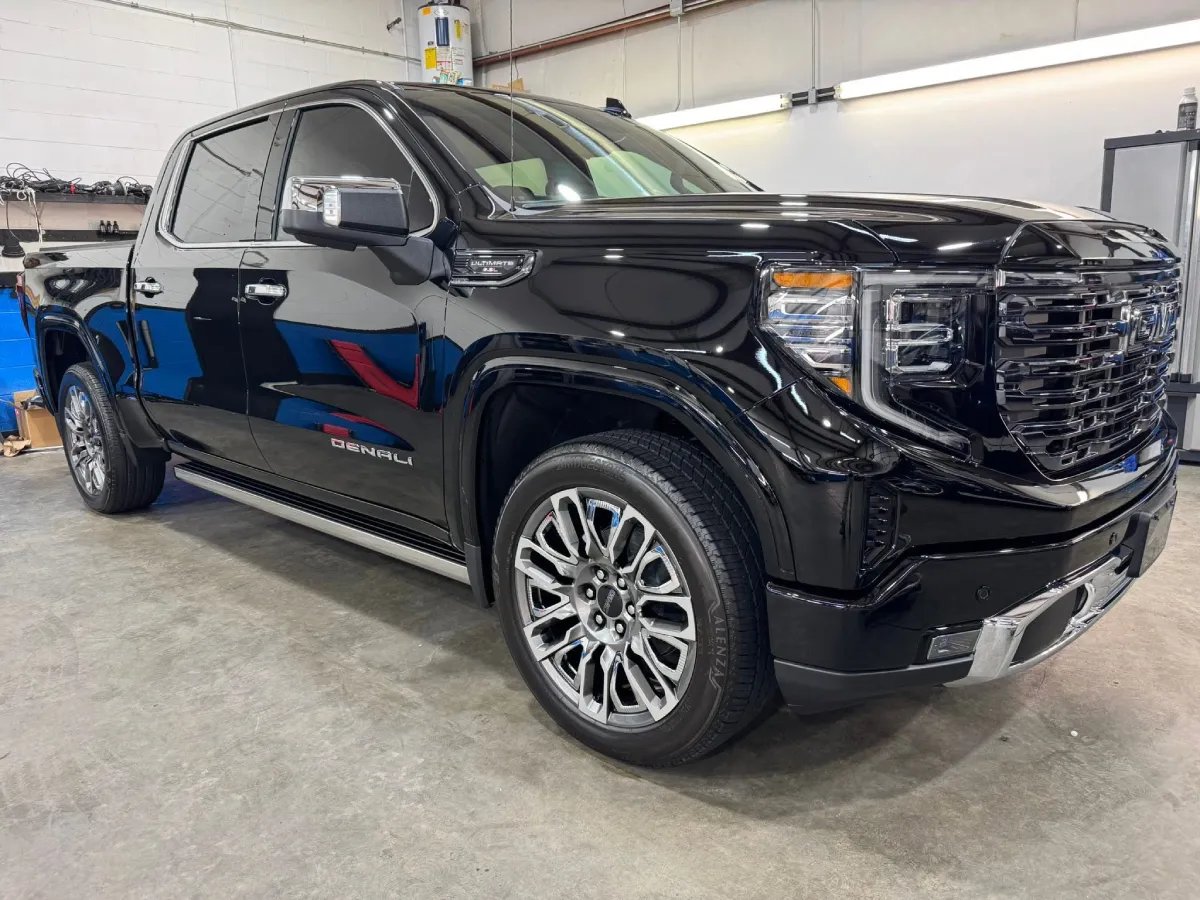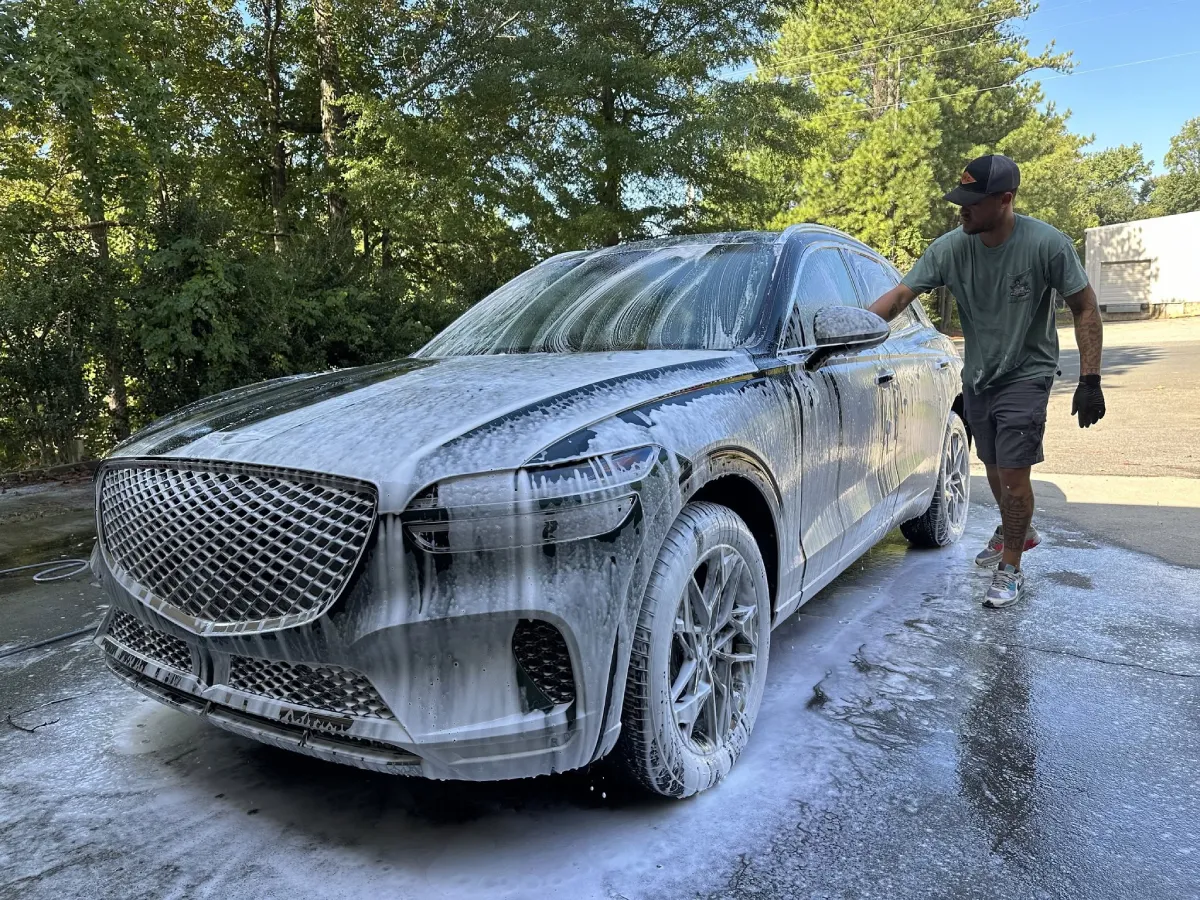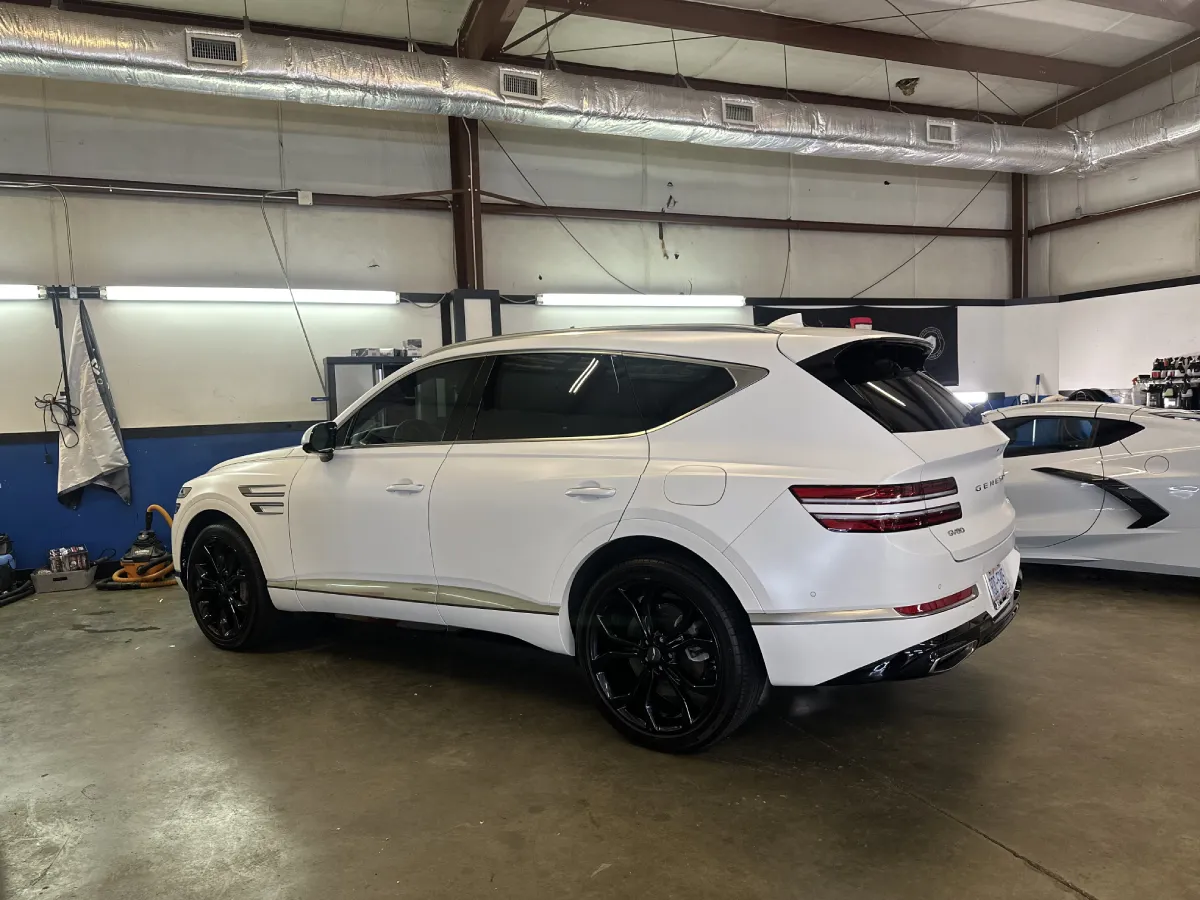
Ceramic coating protects your car from sun damage by creating a durable, transparent layer that sits on top of the paint. This protective barrier reflects ultraviolet rays, slows oxidation, and helps preserve the surface’s color and shine over time. When properly maintained, it acts as a long-term shield against the fading and dullness caused by prolonged sun exposure.
How Ceramic Coating Blocks UV Rays
Sunlight is one of the most common causes of paint deterioration. Ultraviolet radiation gradually breaks down the chemical structure of automotive paint, which leads to oxidation, fading, and loss of gloss. Vehicles that spend long hours outdoors are especially vulnerable to these effects.
Ceramic coating provides a protective layer that reduces the impact of UV radiation on the vehicle’s surface. Instead of sunlight directly reaching the paint, much of the radiation is dispersed or reflected by the coating. This reduces the rate at which the paint deteriorates and helps maintain its original appearance.
Understanding UV Damage on Paint
Automotive paint systems typically consist of several layers. The base layer provides the color, while the clear coat sits on top and acts as the primary protective barrier. Over time, exposure to sunlight weakens the clear coat and causes oxidation. When oxidation occurs, the paint begins to look dull or chalky.
This process happens gradually, but it becomes noticeable when vehicles remain parked outside for extended periods. Without protective measures, the paint’s shine diminishes, and color vibrancy fades.
Ceramic Coating’s UV Reflective Properties
Ceramic coating is designed to bond chemically with the clear coat. Once applied, it forms a hardened layer that adds an additional barrier against external elements. This layer reflects and disperses ultraviolet radiation, thereby slowing the degradation of the underlying paint.
Unlike temporary surface treatments that wear away quickly, ceramic coatings are engineered to last significantly longer when maintained properly. The protective structure helps maintain gloss and keeps the paint looking vibrant despite frequent sun exposure.
Coated vs. Uncoated Cars Under Sunlight
| Feature | Ceramic Coated Surface | Unprotected Surface |
| UV Protection | Strong | Minimal |
| Paint Fading | Slower | Faster |
| Oxidation Resistance | High | Low |
| Maintenance Needs | Lower | Higher |
This comparison highlights why protective coatings are widely used to maintain paint quality in vehicles that experience frequent sunlight.
Maintaining Shine and Color
A key advantage of ceramic coating is its ability to preserve the vehicle’s shine. The smooth surface enhances reflection, giving paint a deeper, glossier appearance. Over time, this helps vehicles maintain a well-maintained look even when regularly exposed to sunlight.
Chemical Resistance Against Sun-Induced Oxidation
Sun exposure triggers chemical reactions in paint surfaces. Ceramic coating forms a barrier that limits these reactions by separating the clear coat from environmental stressors. By slowing oxidation, the coating helps maintain the paint’s depth and clarity.
Drivers researching ceramic coating Raleigh, NC often notice that vehicles protected with this type of coating tend to maintain their gloss longer than unprotected surfaces that are exposed to similar conditions.
Hydrophobic Surface Behavior
Another important characteristic of ceramic coating is its hydrophobic behavior. Water forms beads on the surface and rolls away easily, carrying dirt and debris with it. This reduces the accumulation of contaminants that can trap heat or damage the paint.
Because fewer particles stick to the surface, the paint remains cleaner and reflects light more evenly. The result is a consistent shine that lasts longer between washes.
Top Benefits for Color Retention
- Reduces fading caused by UV radiation
- Slows the oxidation process that dulls paint
- Helps maintain a glossy appearance for longer periods
These benefits contribute to the overall longevity of the vehicle’s exterior finish.
Applying our [CeramiCode] to Solve This
To maintain coating performance over time, we use a proprietary system called CeramiCode. CeramiCode is a structured maintenance language designed to simplify the care of ceramic coatings. Instead of relying on vague schedules, this system organizes inspection and maintenance tasks into clearly defined coded actions.
What Is CeramiCode?
CeramiCode is a simplified coded framework that converts coating maintenance into repeatable steps. Each code represents a specific inspection or action related to the coating’s performance. The purpose of this system is to help vehicle owners track the condition of their protective layer and respond quickly if performance begins to decline.
Examples of CeramiCode actions include:
- C01 – Initial surface evaluation after application
- C05 – Monthly inspection of gloss and reflection
- C07 – Hydrophobic performance check
- C12 – Seasonal coating review
Using these codes creates a consistent routine that ensures the coating continues to protect the vehicle against sunlight and oxidation.
How CeramiCode Works in Practice
- Conduct periodic inspections of the paint surface.
- Record observations using the CeramiCode classification system.
- Identify changes in gloss, water behavior, or surface smoothness.
- Follow the recommended action associated with the recorded code.
Vehicle owners who follow this system often find it easier to maintain coating performance over time. In areas with frequent sunlight exposure, consistent inspection routines help ensure the protective layer continues to work effectively. Many enthusiasts researching ceramic coating Raleigh have adopted similar maintenance routines to keep their vehicles looking polished and protected.
Debunking the Scratch Proof Myth
A common misunderstanding about ceramic coating is the belief that it makes a vehicle completely scratch-proof. While ceramic coatings add a hardened layer that improves surface durability, they do not eliminate the possibility of scratches.
Minor abrasions from dust or improper washing may be reduced because the coating creates a harder surface. However, deeper scratches caused by sharp objects or impacts can still occur.
Scratch Resistance Comparison
| Surface Type | Minor Scratch Resistance | Major Scratch Resistance |
| Ceramic Coated | Improved | Limited |
| Wax Protected | Moderate | Limited |
| No Protection | Minimal | Minimal |
Understanding this distinction is important. The primary function of ceramic coating is to protect paint from environmental damage and oxidation rather than to prevent all physical damage.
Drivers researching Raleigh ceramic coating solutions often prioritize UV protection and long-term gloss preservation rather than expecting complete scratch immunity.
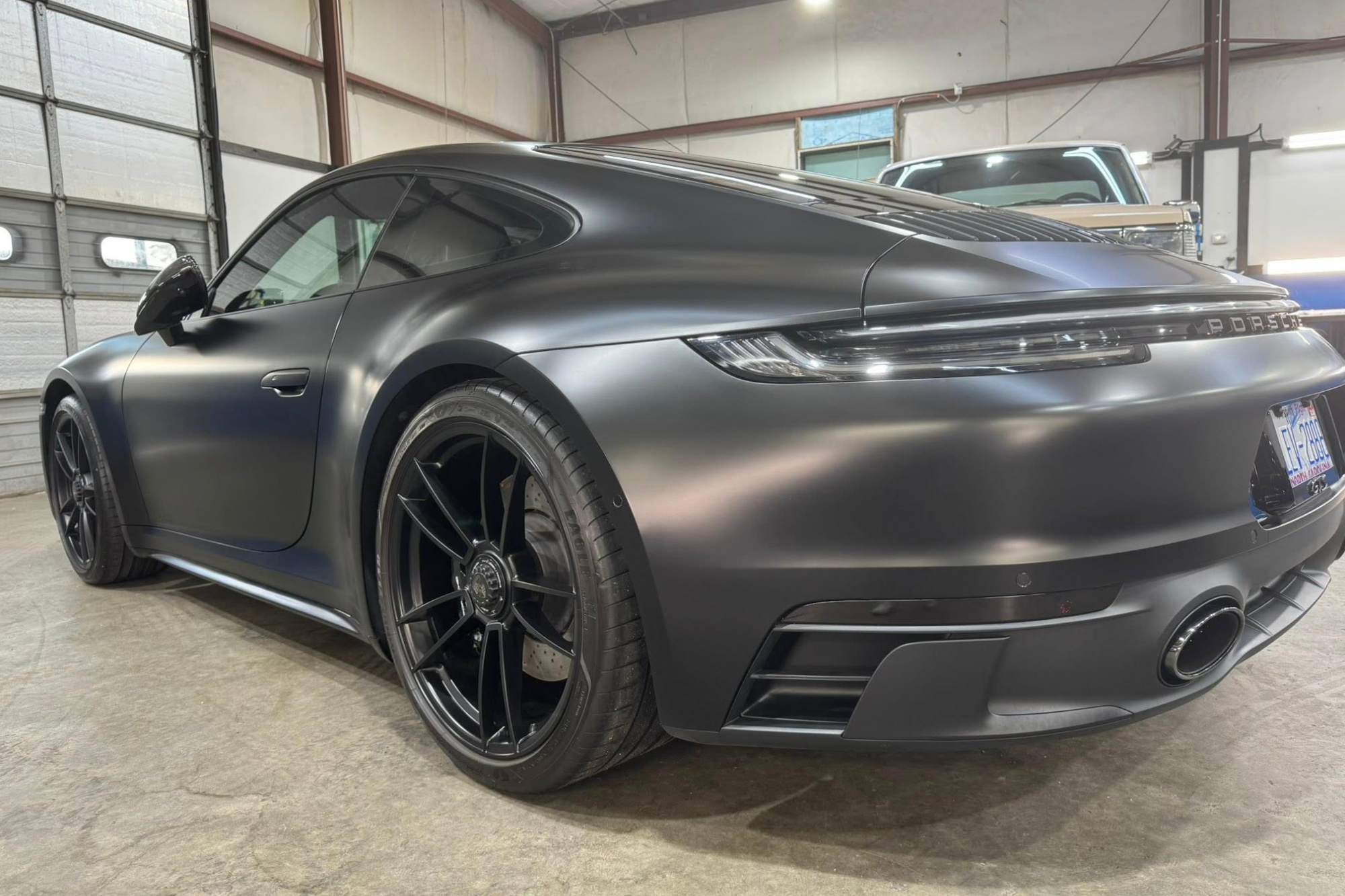
Long-Term Benefits of Ceramic Coating
The long-term advantages of ceramic coating are most noticeable after months or years of exposure to the sun. Vehicles with protective coatings typically retain their color depth and clarity longer than unprotected surfaces.
When sunlight continuously strikes an unprotected vehicle, oxidation gradually dulls the paint. With ceramic coating in place, the protective layer absorbs much of that stress before it can reach the clear coat.
Practical Benefits Over Time
- Paint maintains its original depth and brightness
- Oxidation develops more slowly
- Surface contaminants are easier to remove
- The vehicle retains a cleaner appearance between washes
These benefits make ceramic coating a valuable protective option for drivers who want to preserve their vehicles’ visual quality.
Maintenance Tips for Long Lasting Protection
- Wash the vehicle regularly using gentle cleaning methods.
- Avoid abrasive materials that may damage the surface.
- Inspect the coating periodically for changes in gloss or water behavior.
Following these simple habits helps ensure that the protective layer continues performing effectively.
In Summary
Ceramic coating protects vehicles from sun damage by forming a strong barrier that reflects UV radiation and slows oxidation. This protective layer helps maintain the paint’s color, gloss, and overall appearance even after extended exposure to sunlight. While it does not make a car immune to every type of damage, it significantly reduces the effects of fading and environmental wear.
When paired with consistent maintenance routines, such as the CeramiCode system, ceramic coating can preserve a vehicle’s visual quality for years. Services offered by Ceramic Pro Raleigh help vehicle owners protect their paintwork by slowing the natural aging process of automotive finishes. This allows drivers to maintain a polished, vibrant exterior long after ordinary finishes begin to deteriorate.
If you’re ready to enhance and protect your vehicle’s finish, contact us today to learn more about available ceramic coating solutions and schedule a consultation.
People Also Ask
What causes sun damage to car paint?
Sun damage occurs when ultraviolet radiation breaks down the clear coat’s chemical structure. This leads to oxidation, fading, and a dull appearance.
How does ceramic coating help reduce fading?
Ceramic coating reflects UV rays and creates a protective barrier that slows oxidation, which helps preserve the paint’s original color.
Does ceramic coating last forever?
No coating lasts indefinitely. However, proper maintenance helps keep ceramic coating effective for extended periods.
Is ceramic coating useful for daily drivers?
Yes. Vehicles that are parked outdoors or driven regularly benefit from the added protection against sunlight and environmental exposure.