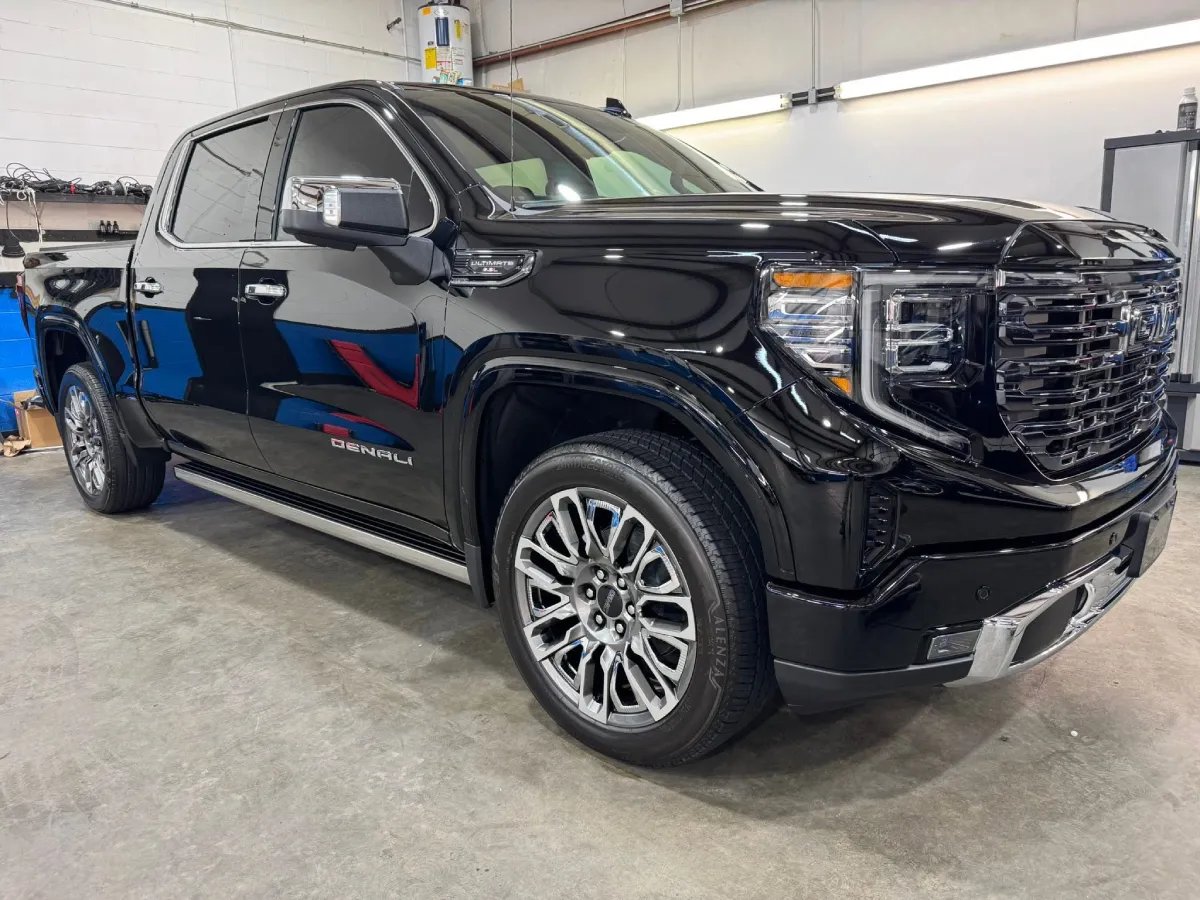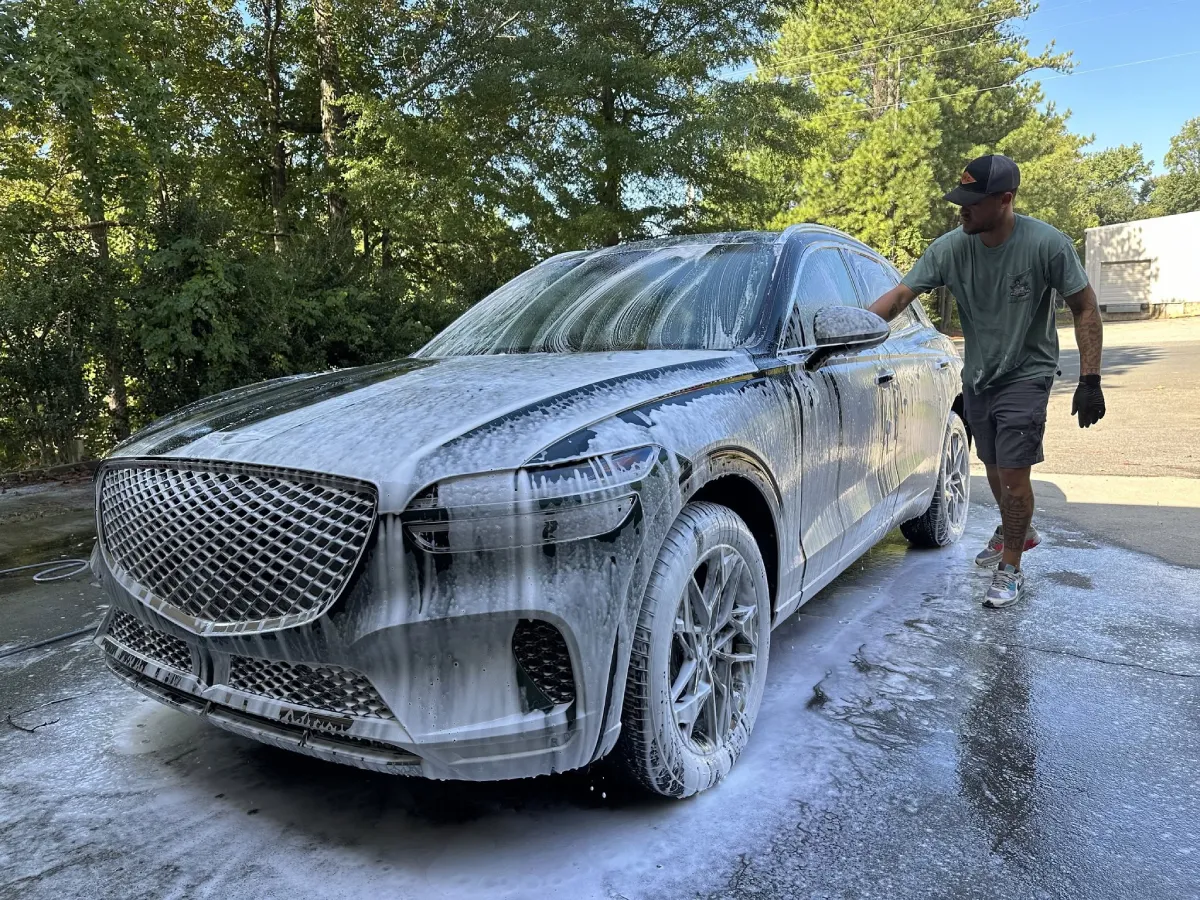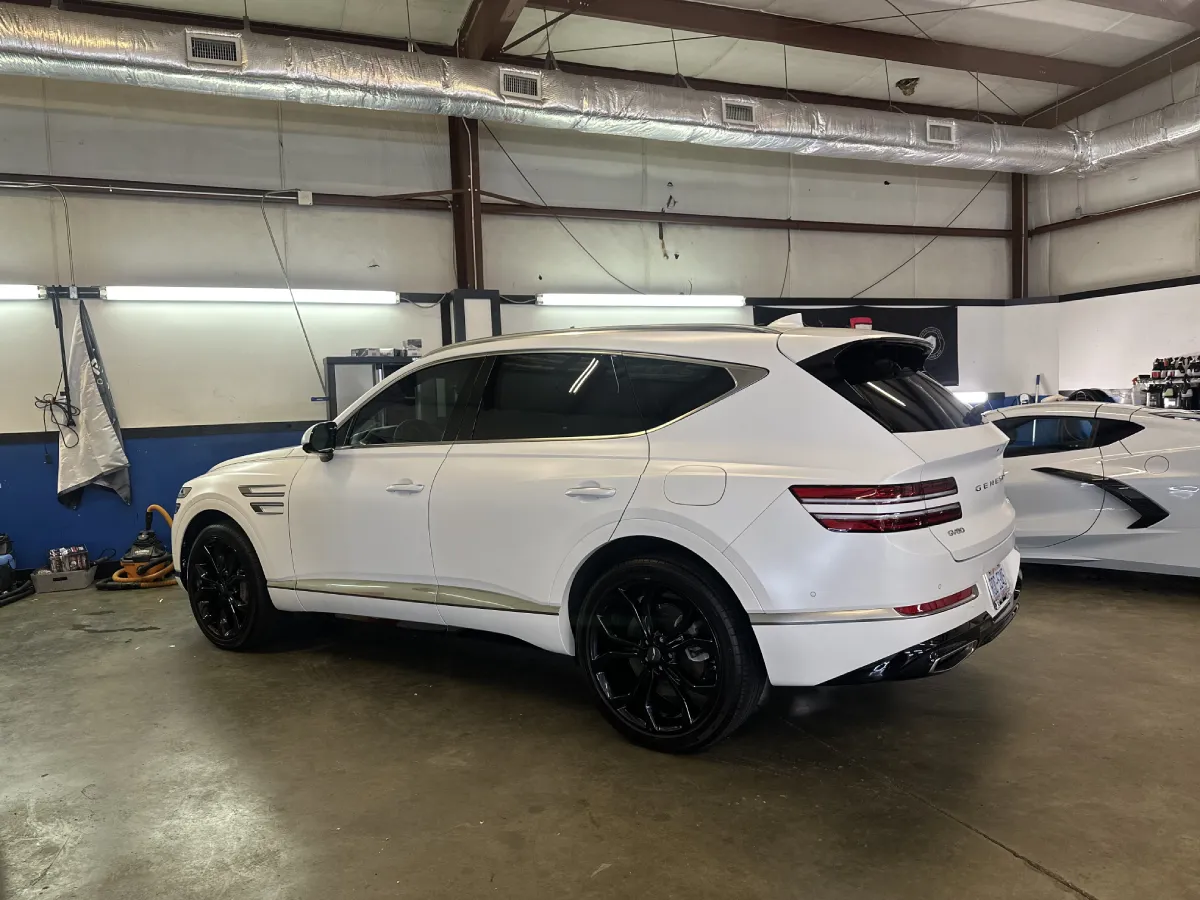
Before applying paint protection film, the vehicle’s paint should be clean, smooth, and free from defects that could become trapped beneath the film. Paint correction, contamination removal, and surface preparation may be needed before installation to ensure the PPF bonds properly and looks its best.
Why Does Paint Condition Matter Before Applying PPF
Paint protection film is a transparent layer, which means anything beneath it can remain visible after installation. Unlike a paint repair product, PPF does not hide imperfections. Instead, it locks in the surface’s current condition.
Applying PPF over damaged or contaminated paint can affect:
- Overall appearance
- Film adhesion
- Long-term durability
- Final installation quality
Proper preparation ensures the film looks clean and seamless while providing the intended protection.
For vehicle owners considering paint protection film in Holly Springs, NC, evaluating paint condition before installation is an important step toward professional results.
What Paint Problems Should Be Fixed Before PPF Installation?
Address several paint conditions before applying paint protection film. A professional installer will typically inspect the vehicle and determine whether it needs correction or preparation.
Swirl Marks And Light Scratches
Swirl marks are among the most common paint imperfections on vehicles. They often appear as fine circular scratches caused by improper washing techniques, automatic car washes, or incorrect drying methods.
While small swirl marks may seem minor, they can become more noticeable after PPF installation because the transparent film can highlight surface imperfections.
Paint correction may be recommended to remove or reduce these defects before applying the film.
Deep Scratches And Paint Damage
Repair deeper scratches that penetrate the clear coat or reach the paint layer before PPF installation.
These issues may include:
- Deep surface scratches
- Paint chips
- Exposed primer areas
- Damaged clear coat
PPF can protect repaired paint, but it is not designed to repair existing damage. Addressing these issues beforehand helps create a smoother foundation for installation.
Oxidized Or Faded Paint
Oxidation occurs when paint loses clarity and starts to look dull from prolonged exposure to sunlight and environmental conditions.
Oxidized paint may have:
- A faded appearance
- Reduced gloss
- A rough texture
Applying PPF over oxidized paint may preserve the current condition rather than restore the original finish. Paint restoration or correction should typically happen before installing the film.
Paint Contamination
Even vehicles that look clean may have bonded contaminants that affect surface smoothness.
Common contaminants include:
- Road tar
- Industrial fallout
- Brake dust particles
- Tree sap
- Mineral deposits
These contaminants can interfere with proper film adhesion and may create an uneven appearance beneath the PPF.
A proper decontamination process helps ensure the surface is ready for installation.
What Preparation Steps Are Needed Before Installing PPF
Professional PPF installation requires more than washing the vehicle. Proper preparation helps create the smooth surface needed for a high-quality installation.
Vehicle Inspection
Definition: A detailed review of the vehicle’s exterior condition before installation.
Purpose: Identifies scratches, defects, contamination, and areas requiring additional preparation.
Paint Decontamination
Definition: A process that removes bonded contaminants from the paint surface.
Purpose: Creates a smoother surface and improves film adhesion.
Paint Correction
Definition: A detailing process that removes or reduces imperfections in the clear coat.
Purpose: Improves paint clarity and ensures defects are not trapped beneath the protective film.
Surface Cleaning
Definition: The final cleaning process before applying PPF.
Purpose: Removes remaining oils, dust, and residue that could affect installation.
These preparation steps help maximize the appearance and performance of the finished PPF installation.
Paint Correction Vs PPF: What Is The Difference
Many vehicle owners confuse paint correction and paint protection film because both improve vehicle appearance, but they serve different purposes.
| Service | Main Purpose | When It Is Used |
| Paint Correction | Removes or reduces paint imperfections | Before applying protective coatings or films |
| Paint Protection Film | Protects paint from future damage | After the surface is properly prepared |
| Ceramic Coating | Adds chemical resistance and easier maintenance | Often applied after correction |
Paint correction improves the paint’s current condition, while PPF protects that improved finish.
For drivers looking for paint protection film in Holly Springs, combining proper preparation with professional installation helps achieve better long-term results.
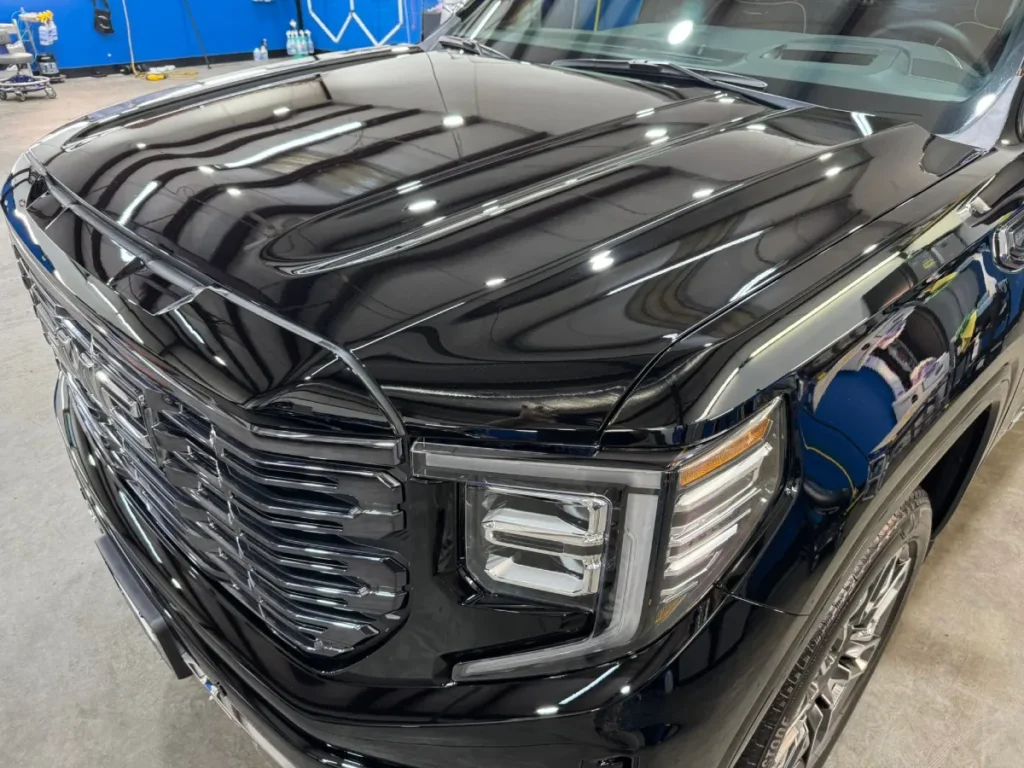
Common Myth: PPF Can Hide Existing Paint Imperfections
A common misconception is that paint protection film will cover scratches, swirl marks, or damaged paint. Since PPF is transparent, it does not conceal surface defects.
Instead, the film preserves the paint’s condition at the time of installation. If scratches, stains, or contamination are present beforehand, they may remain visible after installation.
This is why professional installers inspect and prepare the surface before applying the film. Proper preparation helps ensure the finished vehicle has both protection and a clean appearance.
How Does Professional PPF Installation Improve Results
Professional installation involves specialized techniques that help the film fit correctly and maintain a factory-quality appearance.
The installation process typically includes:
- Thorough vehicle cleaning and preparation
- Paint inspection and correction recommendations
- Precise film placement
- Careful application to prevent bubbles or wrinkles
- Final quality inspection
Experience is especially important when working with complex body panels, curved surfaces, and high-visibility areas such as hoods, bumpers, mirrors, and fenders.
Ceramic Pro Raleigh provides professional automotive protection solutions designed to help vehicle owners preserve their paint and maintain their investment.
How Does PPF Help Protect A Properly Prepared Vehicle
Once the paint has been properly prepared, paint protection film provides a durable layer of defense against many common driving hazards.
PPF helps protect against:
- Rock chips from highway driving
- Road debris impacts
- Minor abrasions
- Insect residue
- Environmental contaminants
The film acts as a sacrificial layer, absorbing damage that could otherwise affect the original paint.
For vehicle owners in areas such as Sunset Ridge, 12 Oaks, and Braxton Village, professional PPF installation can help maintain a vehicle’s appearance despite daily driving conditions.
What Should Vehicle Owners Consider Before Installing PPF
Before scheduling a PPF installation, vehicle owners should consider several factors.
Current Paint Condition
The vehicle’s paint condition determines whether it needs correction or preparation before installation.
Coverage Goals
Some owners choose partial protection for high-impact areas, while others prefer full vehicle coverage.
Long-Term Maintenance
PPF requires proper care to maintain its appearance and performance over time.
Professional Installation
Installation quality can significantly affect how the film looks and performs.
Choosing an experienced provider for Holly Springs paint protection film helps ensure proper installation and provides the intended level of protection.
How Long Does PPF Last After Proper Installation
The lifespan of paint protection film depends on film quality, installation, maintenance, and environmental exposure.
A properly installed PPF system can provide long-term protection with proper maintenance. Regular washing, avoiding harsh chemicals, and following care recommendations can help extend the film’s performance.
Proper preparation before installation also matters because the film bonds best to a clean, smooth surface.
In Summary
The best results from paint protection film start with properly prepared paint. Removing contamination, correcting imperfections, and addressing damage before installation helps ensure the film provides a clean appearance and reliable protection.
Ceramic Pro Raleigh provides professional automotive protection services designed to help preserve vehicle finishes and protect valuable investments.
Contact us today to learn how paint protection film can help protect your vehicle’s appearance for years to come.
People Also Ask
Should I fix scratches before applying PPF?
Yes. You should typically address scratches and paint defects before PPF because the transparent film can make existing imperfections more noticeable.
Does PPF improve damaged paint?
No. Paint protection film protects the existing finish but does not repair scratches, chips, or oxidation.
Is paint correction necessary before PPF?
Paint correction is not required for every vehicle, but it may be recommended when imperfections are present.
Can PPF be applied to a brand-new vehicle?
Yes. However, we should still inspect and properly prepare the vehicle before installation to ensure the best results.