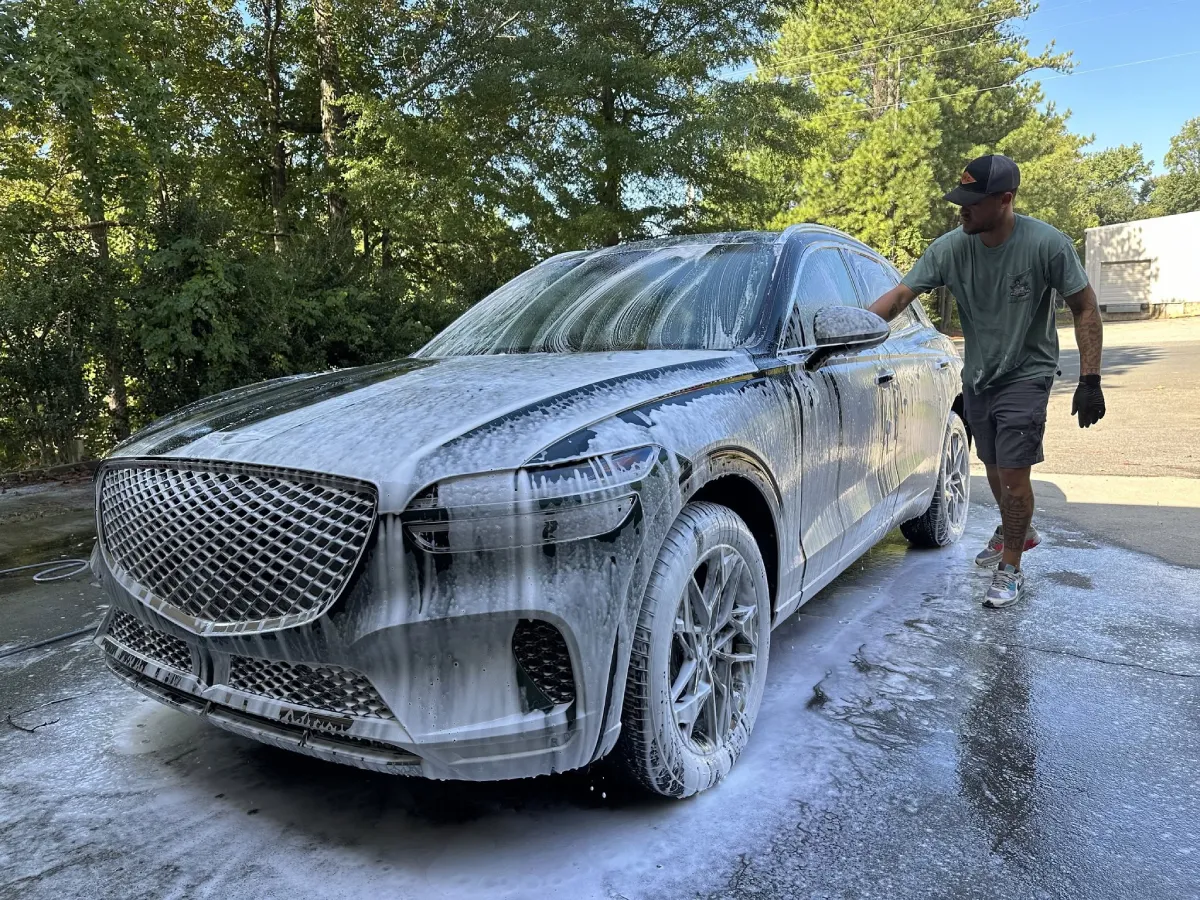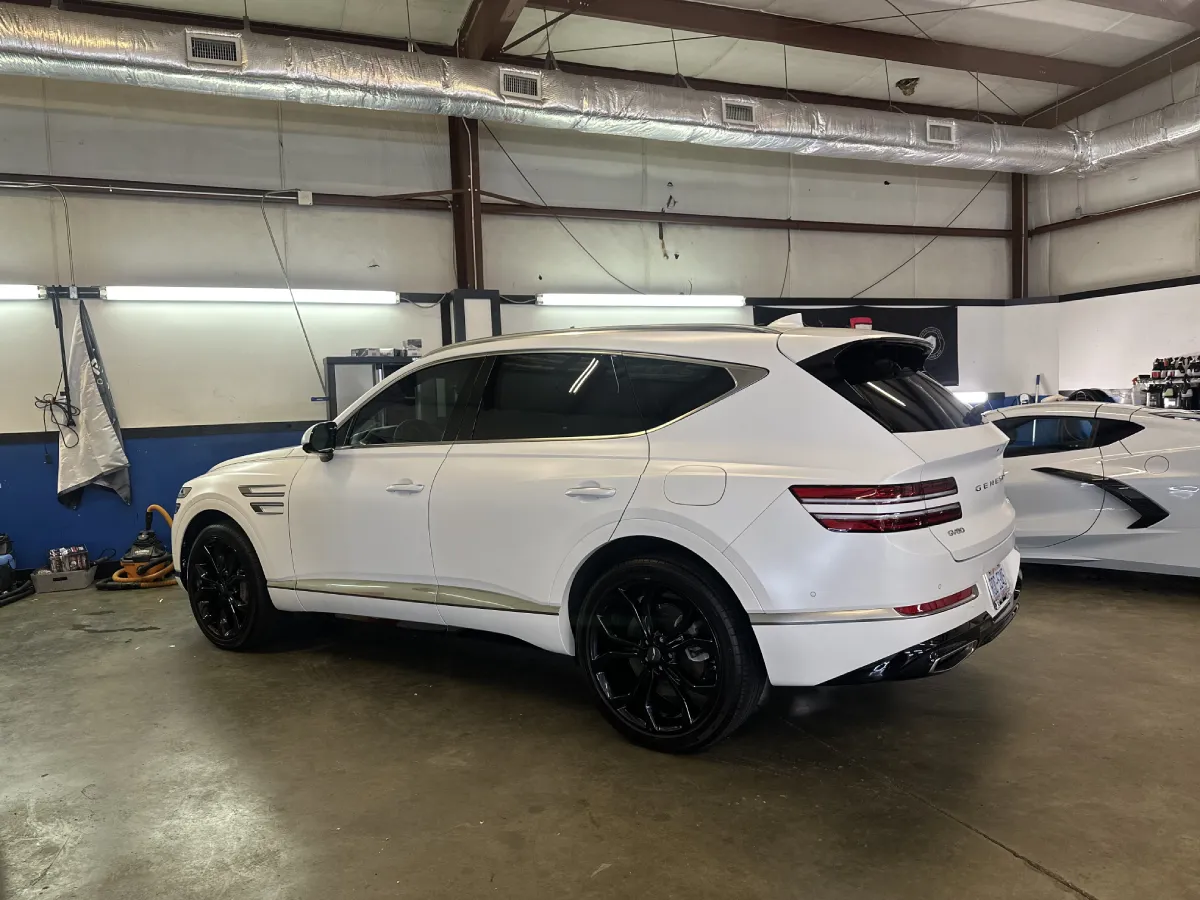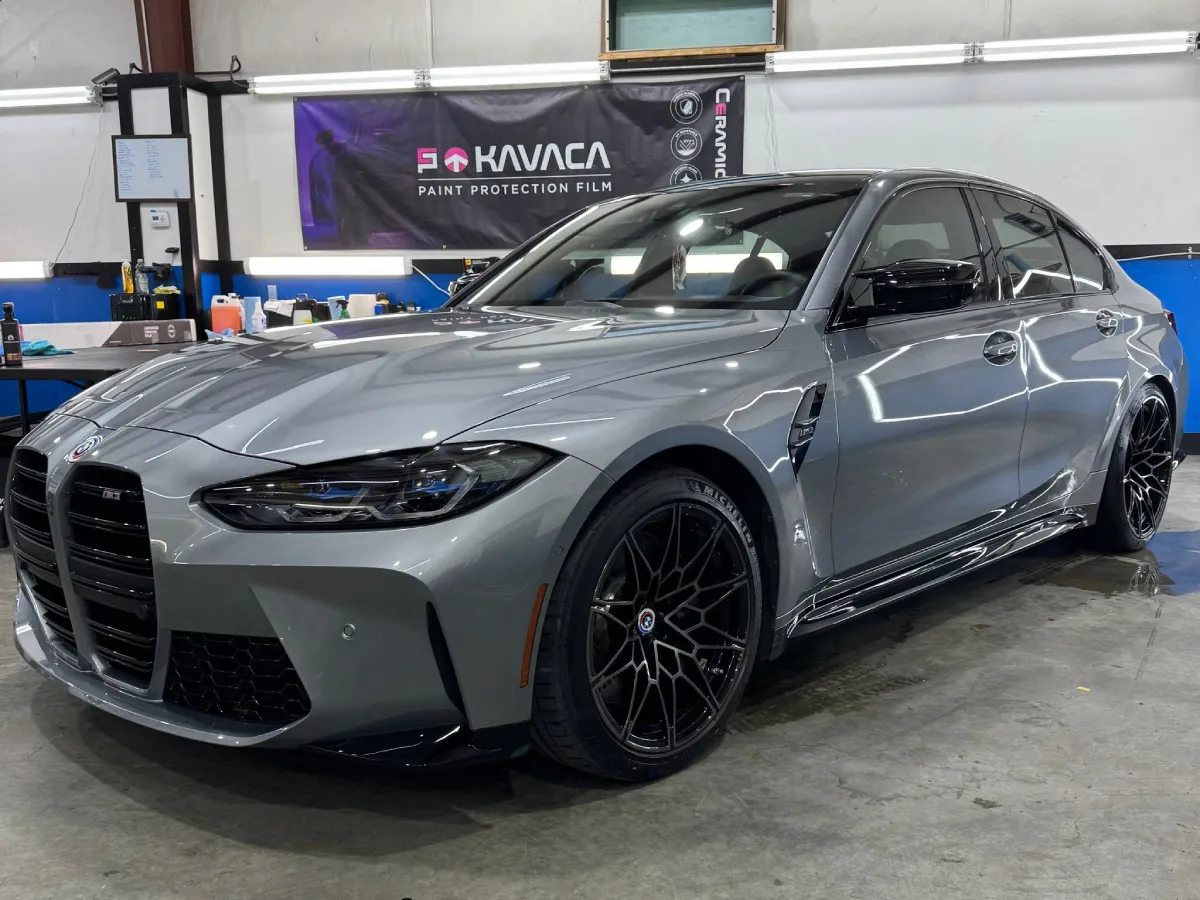
The areas of a car that should be covered with PPF under typical weather conditions are those most exposed to road debris, sun exposure, moisture, and everyday contact. In most cases, protecting the hood, front bumper, fenders, side mirrors, and door edges provides the greatest benefit because these sections face the highest risk of paint damage. Expanding coverage to lower panels and certain rear areas can further improve long-term paint preservation.
Key Areas of a Car to Cover with PPF
High-Impact Front Zones
The front portion of a vehicle consistently encounters the highest level of wear from normal driving conditions. Whether driving on highways, city streets, or suburban roads, debris tends to strike the front of the vehicle first. This is why most protection strategies start here.
- Hood
The hood is often the largest painted surface facing forward. It absorbs most airborne debris, including gravel fragments, dust, insects, and small particles kicked up by other vehicles. Sun exposure also affects this area more than many others, especially during long periods of outdoor parking. Over time, repeated exposure can lead to visible chips or fading. Applying protection to the hood helps maintain a consistent finish and reduces the likelihood of surface damage developing from repeated impact. - Front Bumper & Lip
The front bumper sits lower than the hood and is closer to the road surface, increasing the likelihood of debris contact. Even at moderate speeds, this area receives frequent impacts from small particles. Water spray during rainy conditions can also carry road contaminants that affect the paint. The lower lip or lower portion of the bumper is particularly vulnerable because of its proximity to the ground. Protecting this area is widely considered one of the most effective ways to prevent early paint wear. - Front Fenders
Fenders surround the front wheels and play a key role in shielding the body from debris thrown up by tires. When driving on wet roads, gravel paths, or uneven pavement, tires can propel particles toward the fender panels. These impacts may be small, but repeated exposure gradually affects the paint surface. Protection on fenders helps maintain a smoother appearance over time and limits the accumulation of minor chips.
Vulnerable Side Zones
While the front of the vehicle experiences the most direct impact from debris, the sides of the car face different risks. Many of these risks come from everyday interactions rather than high-speed driving.
- Side Mirrors
Side mirrors extend outward from the vehicle and are exposed to airflow, passing branches, and nearby objects in tight spaces. Because they protrude, they can be vulnerable to incidental contact in parking areas or narrow streets. Protecting these components helps maintain their appearance and reduces the chances of visible scratches forming over time. - Door Edges
Door edges are frequently overlooked when planning protective coverage, yet they are among the most commonly damaged areas. Opening doors in tight parking spaces, near walls, or beside other vehicles increases the likelihood of paint chipping along the edge. This type of damage often occurs gradually and repeatedly. Covering the edges helps prevent these small impacts from affecting the underlying paint. - Side Skirts
Side skirts run along the lower edge of the vehicle body between the wheels. Their proximity to the road makes them more likely to encounter debris, road spray, and occasional curb contact. In typical weather conditions, rainwater can carry small particles that strike these lower panels. Adding protection here reduces visible wear and supports overall paint durability.
Rear Zones
The rear of the vehicle is generally less exposed to direct debris impact compared to the front. However, daily use still creates situations where paint damage can occur.
- Rear Bumper
The rear bumper often experiences contact during loading and unloading activities. Placing items in the trunk or cargo area may lead to light scratches over time. Parking situations can also contribute to minor scuffs, especially in busy areas. Protection on the rear bumper helps reduce these marks and preserves the overall finish. - Trunk Lip
The trunk lip is a smaller area but highly susceptible to contact. Luggage, bags, and equipment frequently brush against this edge when being placed inside the trunk. Over time, repeated contact can affect the paint surface. Protecting this zone helps maintain a clean appearance and prevents small scratches from accumulating.
Comparison Table – Full Coverage vs Partial Coverage
| Area | Partial Coverage | Full Coverage | Typical Weather Benefit |
| Hood | Recommended | Recommended | Reduces damage from debris and sun exposure |
| Front Bumper & Lip | Recommended | Recommended | Protects against frequent road impact |
| Fenders | Optional | Recommended | Helps prevent chips caused by tire spray |
| Side Mirrors | Recommended | Recommended | Limits scratches from incidental contact |
| Door Edges | Optional | Recommended | Reduces paint chipping in parking situations |
| Side Skirts | Optional | Recommended | Guards against debris from wet roads |
| Rear Bumper & Trunk | Optional | Recommended | Minimizes wear from loading and parking |
Smart Strategies for Targeted Paint Protection
Understanding where to apply protective coverage becomes easier when drivers evaluate how their vehicles are used. Driving patterns, parking habits, and exposure to weather all influence which areas should be prioritized.
- Evaluate Driving Habits
Drivers who frequently travel on highways typically encounter more airborne debris than those who mainly drive short distances in urban areas. Highway driving increases the likelihood that small particles will strike the hood and bumper. In these situations, front-end protection becomes especially important. Discussions about PPF in Raleigh, NC, often highlight how driving conditions influence which parts of a vehicle benefit most from protection. - Consider Daily Parking Conditions
Parking environments can introduce different types of risks compared to driving. Vehicles parked in tight spaces, garages, or crowded lots may experience contact with doors, carts, or nearby objects. Door edges and mirrors often become the first points of contact in these situations. By focusing on these zones, drivers can prevent the most common forms of parking-related damage. - Account for Weather Patterns
Typical weather conditions include sun exposure, rainfall, and temperature fluctuations. Moisture on roads can carry debris that impacts lower panels, while sunlight affects horizontal surfaces such as the hood and roofline. In conversations about paint protection film in Raleigh, NC, drivers often emphasize the importance of protecting surfaces that experience the most exposure to the environment. - Balance Coverage with Practicality
Full coverage provides the most extensive protection, but it may not be necessary for every vehicle. Many drivers choose a targeted approach that focuses on the areas with the highest probability of damage. Observations on paint protection film commonly show that strategic placement can still deliver strong results without covering every panel. - Adjust Protection Based on Vehicle Use
Some vehicles are used for commuting, others for long-distance travel, and some for mixed driving conditions. Vehicles that travel frequently on varied road types benefit from extended coverage that includes fenders and lower panels. Conversations surrounding Raleigh paint protection film frequently mention that adapting coverage to driving patterns helps maintain a consistent paint finish over time.
Debunking a Common Industry Myth
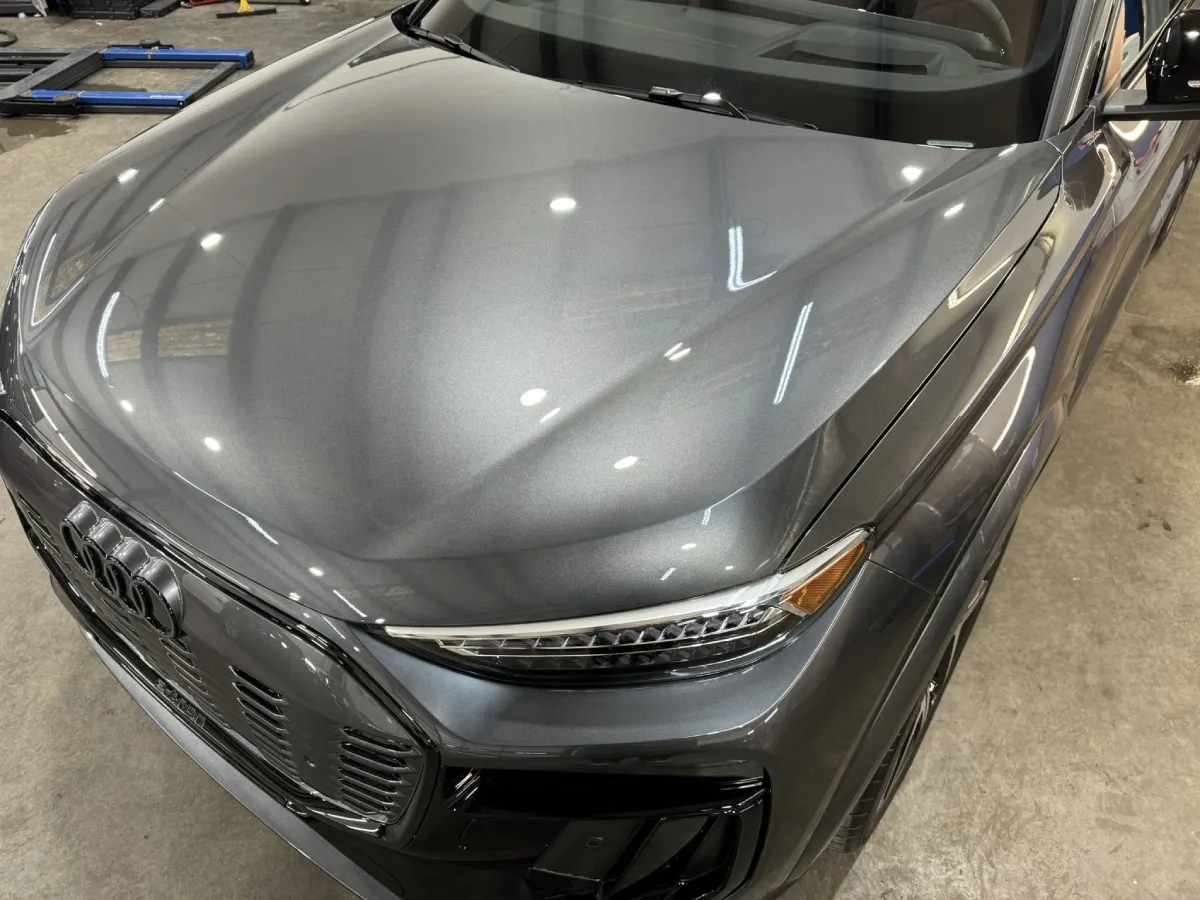
Myth: Only expensive or luxury vehicles need paint protection.
Reality:
All vehicles are exposed to the same road conditions and environmental factors. Stone chips, minor scratches, and gradual paint wear occur regardless of vehicle price or category. Protection is not about the cost of the car but about preserving the finish over time. Even vehicles used for everyday commuting experience consistent exposure to debris and weather conditions that can affect paint quality.
Another reason this misconception persists is that some drivers associate protective films with specialty vehicles. In practice, many drivers use protection simply to maintain their car’s appearance for longer and reduce visible wear caused by regular driving.
Additional Tips for Maintaining Protected Surfaces
- Wash the Vehicle Regularly
Routine cleaning helps remove debris and contaminants before they can affect the surface. Consistent washing also makes it easier to notice any early signs of wear. - Use Proper Washing Techniques
Gentle washing methods help maintain both the protective layer and the underlying paint. Avoid overly aggressive tools that may create unnecessary friction. - Inspect the Vehicle Periodically
Occasional inspections allow drivers to identify small issues early. Catching minor imperfections early helps maintain the vehicle’s exterior condition. - Keep the Vehicle Covered When Possible
Parking in shaded or covered areas can reduce prolonged exposure to the sun, which is beneficial for maintaining the finish over time. - Be Mindful of Loading Practices
Careful handling of items placed in the trunk or cargo area reduces contact with the vehicle’s rear surfaces.
In Summary
Choosing the right areas of a car to protect in typical weather conditions involves focusing on the zones that experience the most exposure to debris, sunlight, moisture, and everyday contact. The hood, front bumper, and fenders are the highest priority because they encounter the majority of road impact during normal driving. Side mirrors and door edges follow closely behind due to frequent contact in parking environments. Lower panels, such as side skirts and rear surfaces, can also benefit from protection depending on driving habits and usage.
By evaluating how a vehicle is driven and where it is most often parked, drivers can determine the most effective coverage strategy. Some may choose to protect only high-impact zones, while others may extend coverage to additional panels for added peace of mind. In both cases, Ceramic Pro Raleigh helps ensure that the areas most susceptible to wear are protected, preserving your paint and keeping your vehicle looking its best over time. Contact us today to customize your paint protection and keep your car flawless.
People Also Ask
What is the most important part of a car to protect first?
The front of the vehicle, including the hood and bumper, typically receives the most debris impact and is often prioritized for protection.
Are the lower panels important to protect?
Yes. Lower panels,, like side skirts, encounter debris and water spray from the road, which can gradually affect paint.
Does typical weather really affect car paint?
Yes. Sun exposure, rain, and airborne debris can gradually affect paint surfaces over time during everyday driving.
Should side mirrors be included in protection plans?
Side mirrors are commonly included because they are exposed and prone to scratches from nearby objects.
Is partial coverage still effective?
Yes. Focusing on high-impact areas can significantly reduce visible paint damage even without covering the entire vehicle.