A vinyl wrap can last several years, even when exposed to sun and rain, but its longevity depends on how it is used and maintained. Constant UV exposure and repeated contact with moisture gradually wear down the material, affecting both appearance and adhesion. With proper care, it can remain in good condition for an extended period despite these environmental challenges.
Factors Affecting Vinyl Wrap Longevity
Sun Exposure (UV Radiation)
Sunlight is one of the most significant contributors to vinyl wrap wear. Ultraviolet rays slowly break down the chemical structure of the vinyl, leading to fading, discoloration, and eventual brittleness. Over time, this can cause the wrap to lose its original vibrancy and smooth finish. Vehicles parked outdoors for long hours each day tend to deteriorate more quickly than those kept in covered areas.
Heat generated from direct sunlight also plays a role. As temperatures rise, vinyl expands slightly, and repeated expansion and contraction can weaken its structure. This is especially noticeable in darker wraps, which absorb more heat and are therefore more prone to faster degradation. Without protective measures, sun exposure alone can significantly reduce a wrap’s lifespan.
Rain and Moisture
Rain is often misunderstood when it comes to vinyl wrap durability. While vinyl is designed to resist water, long-term exposure to moisture can still affect its performance. Rainwater often carries contaminants such as dust, pollutants, and minerals. When these settle on the wrap and are not cleaned regularly, they can dull the surface and weaken the material over time.
Moisture can also seep into small imperfections or edges if the wrap is not perfectly sealed. Over time, this may lead to lifting or peeling in vulnerable areas. In climates with frequent rainfall, consistent maintenance becomes even more important to preserve both the look and function of the wrap.
In one case involving a vehicle with a vinyl wrap raleigh nc application in Raleigh, NC, regular rainfall made routine cleaning essential to prevent buildup that could compromise the finish. This highlights how environmental conditions directly influence maintenance needs.
Quality of Vinyl Material
The durability of a vinyl wrap depends heavily on the quality of the material used. Higher-grade vinyl is engineered to withstand environmental stress more effectively, maintaining flexibility and color for longer periods. Lower-quality materials may initially look similar but often degrade faster when exposed to the sun and rain.
Premium vinyl tends to resist cracking, fading, and peeling better due to its composition and manufacturing process. It also adapts more effectively to temperature changes, reducing the risk of damage caused by expansion and contraction. Choosing a reliable material is one of the most important decisions when considering long-term performance.
Installation and Maintenance
Even the best vinyl material will not perform well if it is not installed correctly. Proper installation ensures the wrap adheres smoothly to the surface, with no air pockets or weak edges. Poor installation can lead to early issues such as bubbling, lifting, or uneven wear.
Maintenance is equally important. Regular cleaning removes contaminants that can damage the surface, while careful handling prevents scratches or abrasions. During a routine evaluation of a Raleigh, NC vinyl wrap, consistent upkeep was found to significantly extend the wrap’s visual quality and structural integrity.
Comparison Table: Expected Lifespan in Different Conditions
| Vinyl Type | Sunny Conditions | Rainy Conditions | Mixed Conditions |
| High-Quality Vinyl | Extended durability | Strong resistance | Balanced performance |
| Standard Vinyl | Moderate wear | Moderate wear | متوسط performance |
| Lower-Grade Vinyl | Faster fading | Increased wear | Reduced lifespan |
This table demonstrates how material quality and environmental exposure interact. While all vinyl wraps experience some degree of wear, higher-quality options consistently perform better across different weather conditions.
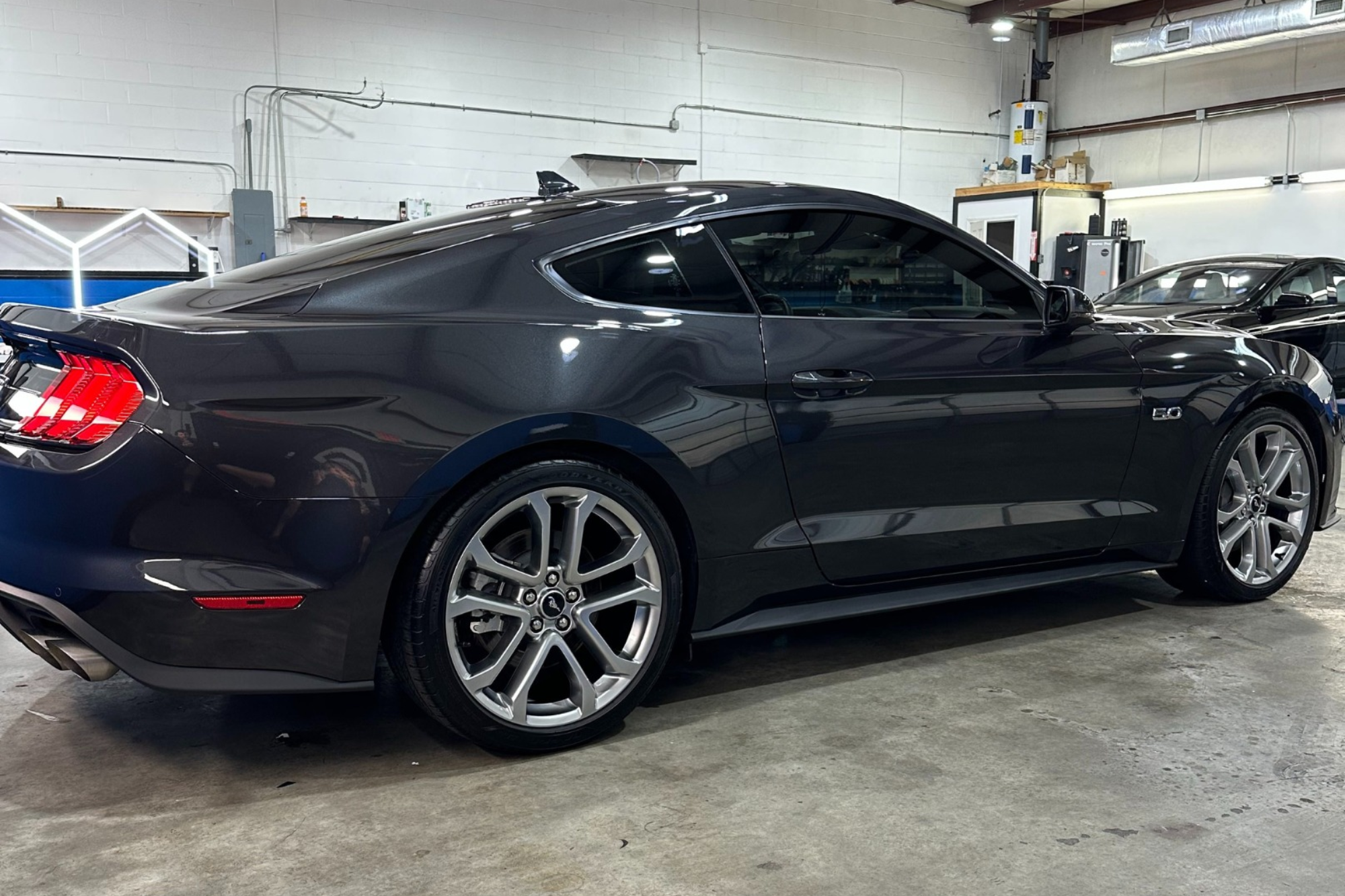
Tips to Maximize Vinyl Wrap Lifespan in Sun and Rain
- Use Covered Parking When Possible
Keeping a vehicle out of direct sunlight and rain reduces overall exposure and slows down wear. Even partial shade can make a noticeable difference. - Clean Regularly and Gently
Dirt, rain residue, and pollutants should be removed before they accumulate. Using non-abrasive cleaning methods helps preserve the surface. - Apply UV Protection
Protective treatments can help reduce the impact of sunlight, maintaining color and flexibility for a longer period. - Avoid Harsh Washing Techniques
High-pressure washing, especially near edges and seams, can weaken adhesion. Gentle cleaning methods are more effective for long-term care. - Inspect for Early Signs of Damage
Small issues such as lifting edges or minor scratches should be addressed early to prevent further deterioration. - Limit Prolonged Exposure
If possible, avoid leaving the vehicle exposed to extreme weather conditions for extended periods without protection.
A vehicle maintained with these practices, including one with a vinyl wrap in Raleigh, demonstrated noticeably better durability compared to those with minimal care.
Debunking a Common Industry Myth
Myth: Vinyl wraps are completely immune to weather conditions
Truth: Vinyl wraps are designed to withstand outdoor exposure, but they are not immune to environmental stress. Sunlight gradually causes fading and brittleness, while rain introduces moisture and contaminants that can affect the surface and adhesive. Over time, these factors combine to influence the wrap’s overall lifespan.
A detailed inspection of a Raleigh vinyl wrap confirmed that even well-installed wraps require consistent care to maintain their condition in changing weather. Without maintenance, exposure to the sun and rain will eventually lead to visible wear.
Applying This to Solve the Problem
Understanding how the sun and rain affect vinyl wraps allows for better decision-making and maintenance planning. Here is how to apply this knowledge effectively:
- Assess Daily Conditions
Consider how often your vehicle is exposed to sunlight and rain. Vehicles that remain outdoors most of the time require more proactive care. - Choose Durable Materials
Selecting high-quality vinyl improves resistance to environmental damage and extends the overall lifespan. - Adopt a Maintenance Routine
Regular cleaning and inspection prevent long-term damage caused by buildup or unnoticed wear. - Protect Against UV Exposure
Using protective treatments and parking in shaded areas helps reduce the impact of sunlight. - Monitor and Address Issues Early
Identifying and fixing minor problems early prevents them from developing into larger concerns.
By following these steps, vehicle owners can significantly improve the longevity and appearance of their vinyl wraps, even in challenging weather conditions.
In Summary
Vinyl wraps are built to handle outdoor conditions, but their lifespan in the sun and rain depends on several interconnected factors. Sun exposure gradually causes fading and structural weakening, while rain introduces moisture and contaminants that can affect both appearance and adhesion. Material quality, proper installation, and consistent maintenance all play essential roles in determining how well a wrap performs over time.
By understanding these factors and taking practical steps to reduce exposure and maintain the surface, vehicle owners can preserve the look and durability of their vinyl wraps for years. At Ceramic Pro Raleigh, we emphasize that a proactive approach not only extends lifespan but also ensures the wrap continues to deliver its intended visual impact despite changing weather conditions. Protect your investment. Contact us today to schedule a consultation and keep your wrap looking its best.
People Also Ask
Q: Does constant sun exposure ruin a vinyl wrap?
A: Prolonged sun exposure can lead to fading and reduced flexibility, but proper care and protection can slow down this process.
Q: Is rain harmful to vinyl wraps over time?
A: Rain itself is not immediately harmful, but repeated exposure combined with contaminants can gradually affect the wrap’s condition.
Q: How can I make my vinyl wrap last longer?
A: Regular cleaning, UV protection, and minimizing exposure to harsh conditions are key to extending its lifespan.
Q: Do weather conditions affect all vinyl wraps equally?
A: No, the impact varies depending on material quality, installation, and maintenance practices.