Paint protection film (PPF) applied to high-impact areas like the hood, bumper, and fenders typically falls into a mid- to premium investment category, depending on film grade, installer expertise, and vehicle complexity. Most vehicle owners select a full-front protection package because it balances cost efficiency with long-term paint preservation.
The actual investment varies widely because no two installations are identical. Vehicle geometry, environmental exposure, and film quality all play a role in determining final pricing. Instead of focusing on a single number, it is more useful to understand how each component contributes to the total.
What Determines PPF Pricing
The cost of a PPF installation is driven primarily by material science, labor precision, and preparation standards. High-quality thermoplastic polyurethane films are engineered to absorb road impact, resist staining, and self-heal light scratches through heat activation. However, even the best film will fail prematurely if installed incorrectly.
Installation labor often represents the most significant portion of the overall investment. Complex surfaces like modern bumpers require edge wrapping, tension control, and contamination-free environments. Small installation errors can lead to lifting edges or trapped debris, which compromise durability.
During a recent inspection for a client in North Hills, Raleigh, NC, improper surface prep, not film quality, was identified as the primary cause of early failure in multiple vehicles. This reinforces the importance of installation expertise over material selection alone.
Hood Coverage Considerations
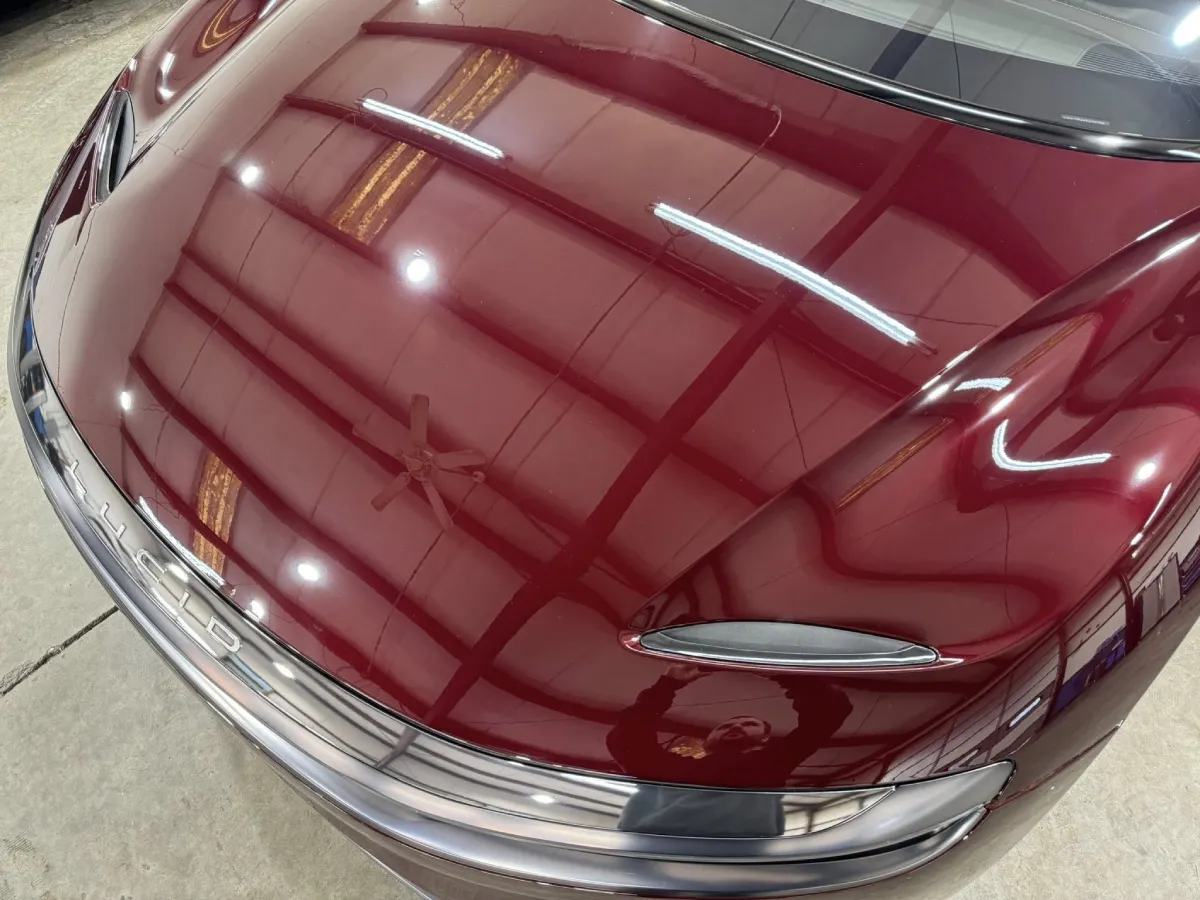
Hood protection can be applied as partial or full coverage. Partial installs protect high-impact leading edges, while full coverage provides a seamless aesthetic and maximum protection. Full hood applications are generally preferred for newer vehicles where visual consistency matters.
Owners researching paint protection film in Raleigh, NC often discover that hood coverage is one of the most noticeable upgrades in both appearance and resale protection. The hood is constantly exposed to debris, UV exposure, and environmental contaminants.
A properly installed hood film also helps preserve the integrity of factory paint, which becomes increasingly important for resale valuation and lease return conditions.
Front Bumper Protection Dynamics
The front bumper is the most complex panel to protect due to its curves, sensors, and aerodynamic shaping. It requires advanced installation techniques such as stretch calibration and precision trimming.
Many installers emphasize bumper protection because it is the highest-impact zone for rock chips and road debris. Without protection, even short highway drives can result in visible surface damage over time.
Customers comparing paint protection film in Raleigh options often prioritize bumper coverage first because it delivers the most immediate visual and functional benefit.
Fender Coverage and Road Exposure
Fenders sit directly in the line of tire debris, making them highly susceptible to chipping. Protecting this area helps maintain a consistent finish across the vehicle’s front end.
Proper installation requires precise alignment to ensure the edges remain sealed under airflow pressure. Poorly installed film on fenders often reveals lifting at high-speed driving conditions.
In practice, fender protection is often bundled with hood and bumper coverage for a cohesive protective system.
Full Front Package Strategy
Most professional installations combine hood, bumper, and fenders into a unified front-end protection package. This approach eliminates visual mismatches and ensures consistent aging across all surfaces.
Drivers evaluating Raleigh, NC, paint protection film services often find that bundled packages offer better long-term value than individual panel protection.
From a performance perspective, full front coverage reduces maintenance frequency and helps preserve resale condition more effectively than partial protection strategies.
Environmental and Usage Factors
The driving environment plays a significant role in how quickly paint damage occurs. Highway-heavy driving, urban traffic congestion, and construction zones all increase exposure to abrasive particles.
Climate conditions also matter. Heat cycles, UV exposure, and seasonal road treatments can accelerate paint degradation if left unprotected.
Owners searching for Raleigh paint protection film solutions typically do so after noticing early signs of paint wear from daily driving conditions.
Film Quality Differences
Not all paint protection films perform equally. Higher-grade films offer enhanced clarity, improved self-healing properties, and longer durability ratings. Lower-grade films may appear similar initially but degrade faster under environmental stress.
The adhesive layer is also a critical factor. Advanced adhesives allow for repositioning during installation while maintaining strong, long-term bonding.
Professionals who recommend paint protection film often emphasize selecting film based on vehicle usage rather than price alone.
Installation Environment Matters
A controlled installation environment is essential for achieving a flawless finish. Dust particles, humidity, and temperature fluctuations can all affect adhesion quality.
Professional installers use filtered environments to reduce the risk of contamination during application. Even microscopic debris can create visible imperfections under clear film.
Buyers researching paint protection film should always verify installation conditions before committing to a provider.
Maintenance and Longevity
PPF is designed to be low-maintenance, but proper care significantly extends its lifespan. Regular washing using non-abrasive materials helps maintain clarity and performance.
Harsh chemicals and automated brush washes should be avoided, as they can degrade the film surface over time.
Owners choosing paint protection film installations often receive maintenance guidance as part of their service package.
Value Over Time
While the upfront investment varies, the long-term value of PPF is measured in avoided repair costs and preserved vehicle condition. Paint damage repairs can be significantly more expensive and often result in color mismatches.
Vehicles with properly maintained film retain a more consistent appearance, which can positively influence resale perception.
In many cases, paint protection film installations provide a measurable return on investment when evaluated over several years of ownership.
Choosing the Right Installer
Selecting an installer is as important as selecting the film itself. Certification, portfolio consistency, and installation environment should all be evaluated.
Customers comparing paint protection film providers should prioritize documented experience over pricing alone.
A strong installer will also provide aftercare support and warranty coverage that protects against common failure points.
Common Installation Mistakes to Avoid
Mistakes during installation often lead to premature failure. These include improper surface preparation, incorrect stretching techniques, and insufficient edge sealing.
Professional installers mitigate these risks through standardized procedures and quality control checks.
Buyers evaluating paint protection film should ask detailed questions about installation methodology.
Long-Term Protection Strategy
A complete protection strategy often combines PPF with optional ceramic coating layers. While ceramic coatings enhance hydrophobic properties, PPF provides a physical barrier against impact damage.
This layered approach ensures both aesthetic and functional protection across different environmental conditions.
Many vehicle owners seeking paint protection film solutions adopt this combined strategy for maximum durability.
Professional vs DIY Installation
DIY kits may appear cost-effective, but they rarely achieve professional-grade results. Issues such as trapped air, misalignment, and edge lifting are common.
Professional installation ensures a precise fit using pre-cut templates or bulk film techniques.
For those considering paint protection film services, professional application remains the most reliable option.
In Summary
Paint protection film is not just an aesthetic upgrade but a preventative investment in long-term vehicle preservation. The hood, bumper, and fenders are the highest-risk impact zones for chips, scratches, and road debris damage, making them the areas where protection delivers the greatest value. This approach is commonly emphasized by Ceramic Pro Raleigh, which focuses on safeguarding these vulnerable surfaces to maintain both appearance and resale value over time.
To explore professional installation and long-term protection options, contact us and connect with Ceramic Pro Raleigh for expert guidance.
People Also Ask
How long does PPF last?
PPF typically lasts several years, depending on driving conditions and maintenance habits.
Can PPF be removed safely?
Yes, when professionally installed and removed, it does not damage factory paint.
Does PPF affect vehicle appearance?
High-quality film is nearly invisible and can even enhance gloss.
Is full front coverage necessary?
It is recommended for drivers who want maximum protection against road debris.
When should PPF be installed?
Ideally, it should be applied to new or freshly detailed vehicles for best results.