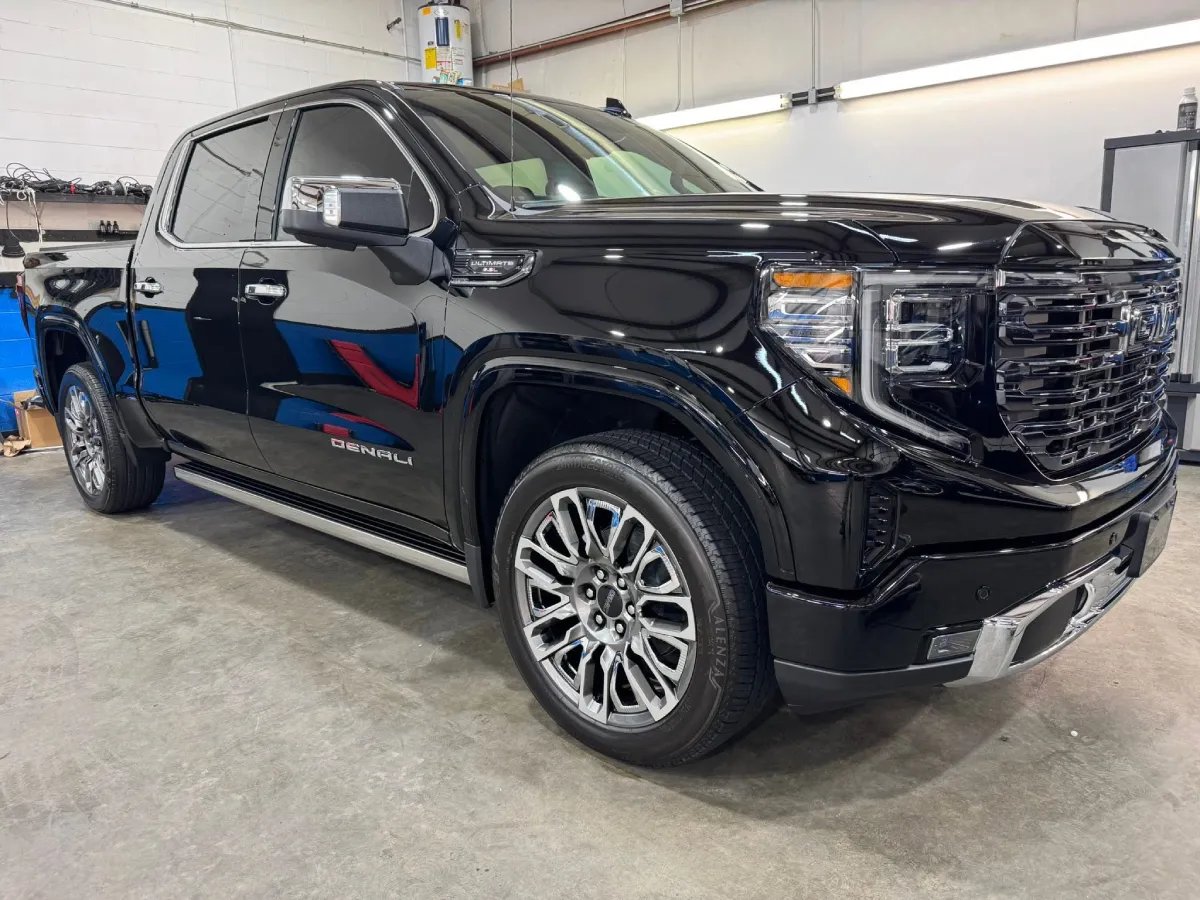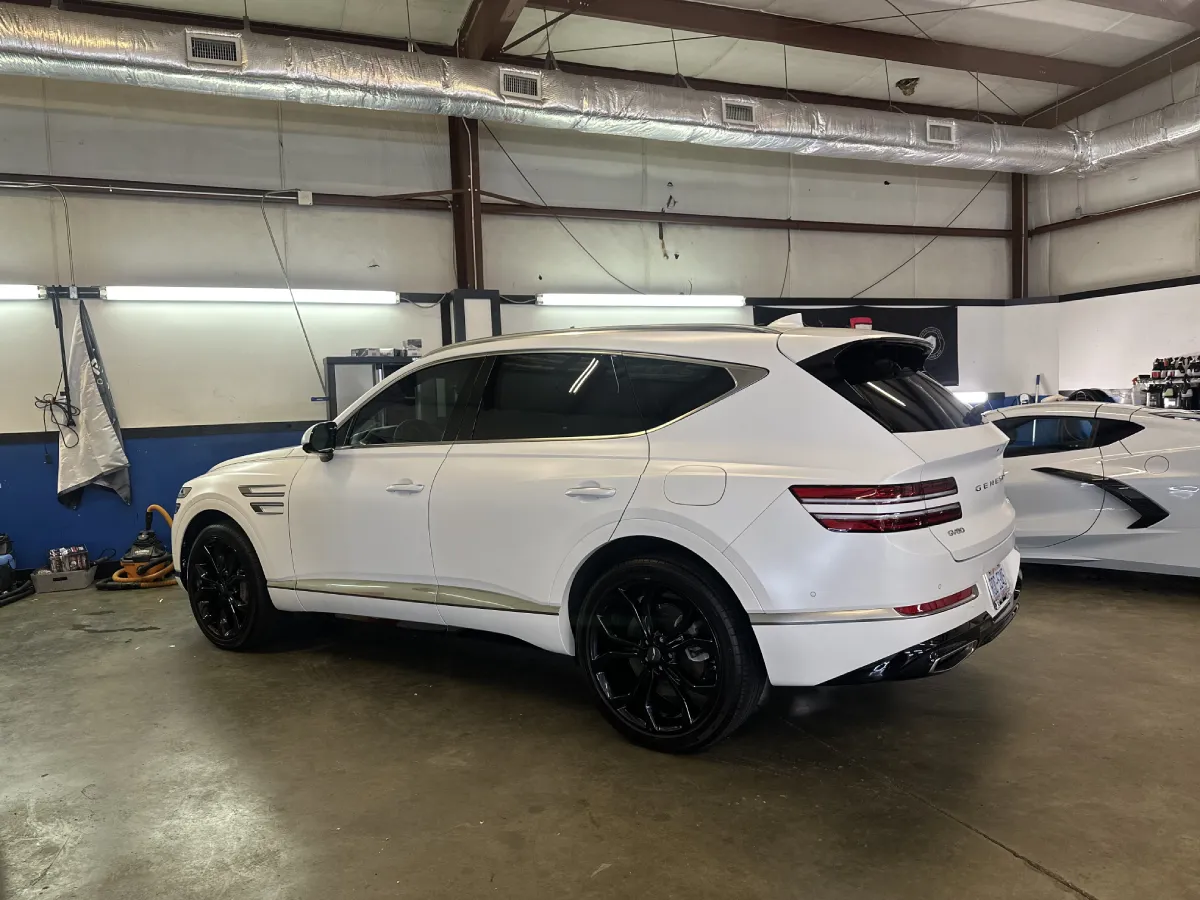
The safest legal tint percentage for maximum privacy is 20% to 35% VLT (Visible Light Transmission). This range provides strong privacy while maintaining safe visibility and staying within most legal limits. For everyday driving, 35% is the safest baseline, while 20% offers increased privacy with manageable trade-offs when installed correctly.
Understanding Tint Percentage: What Actually Matters
Tint percentage is often misunderstood. It does not describe how “dark” a window looks, it defines how much light enters the vehicle. That distinction matters because safety, legality, and performance all depend on measurable light transmission, not appearance.
Definition List: Key Tint Specifications
Visible Light Transmission (VLT)
: The percentage of visible light that passes through the glass. Lower values indicate a darker tint.
Infrared Rejection (IRR)
: The film’s ability to block heat generated by infrared radiation, a primary contributor to cabin temperature.
Ultraviolet (UV) Protection
: The percentage of UV rays blocked by the film, which helps prevent interior fading and reduces skin exposure.
Optical Clarity
: The sharpness and transparency of the film are especially important for nighttime driving and low-light conditions.
Ceramic Film Construction
: A non-metallic, nano-ceramic composition that improves heat rejection and clarity without relying on darker tint levels.
Understanding these specifications allows you to evaluate tint as a performance upgrade—not just a visual modification.
Tint Percentage Comparison: Privacy vs. Safety
| Tint % (VLT) | Privacy Level | Day Visibility | Night Visibility | Legal Risk | Best Use Case |
| 50% | Low | Excellent | Excellent | None | Subtle shading |
| 35% | Moderate | Strong | Strong | Very low | Daily driving |
| 20% | High | Good | Acceptable | Moderate | Privacy-focused |
| 5% | Extreme | Poor | Unsafe | High | Off-road/show |
Key takeaway:
- 35% VLT offers the safest balance of visibility and compliance
- 20% VLT is the practical upper limit for privacy without significantly impacting usability
How to Choose the Right Tint Without Guesswork
Selecting tint should be a structured decision based on how the vehicle is used—not just how it looks.
1. Stay Within a Functional Legal Range
The 20–35% range provides a margin of safety against legal issues while still delivering meaningful privacy. Going darker often creates more problems than benefits.
2. Prioritize Real-World Visibility
From years of experience working on both new installations and corrective removals, the most common issue with dark tint is reduced nighttime visibility. This becomes especially noticeable in poorly lit areas or during bad weather.
3. Focus on Film Technology, Not Shade
A high-quality film like KAVACA Window Tint at 35% will outperform lower-grade darker films in heat rejection, clarity, and durability. Darkness alone does not equal performance.
4. Align Tint with Driving Conditions
Urban driving, highway commuting, and rural environments all place different demands on visibility. A setup that works well in daylight traffic may not perform the same at night.
Real-World Observations from Installation Work
Practical outcomes often differ from expectations, especially when decisions are based purely on appearance.
During a recent audit for a client in North Hills, a 5% tint created significant visibility issues under standard street lighting. The driver reported difficulty judging distance and contrast at night. After switching to a ceramic 20% film, visibility improved immediately while maintaining privacy.
In Brier Creek, a vehicle owner replaced an older dyed film with a 35% ceramic solution and experienced a noticeable reduction in cabin heat without needing a darker tint. The improvement came from material quality, not shade.
A driver in Five Points initially prioritized maximum darkness but later adjusted to a compliant range after repeated inspection concerns and usability issues. These scenarios are consistent across most installations.
For those researching window tinting in Raleigh, NC, the takeaway is clear: long-term satisfaction depends more on balance than on maximum darkness.
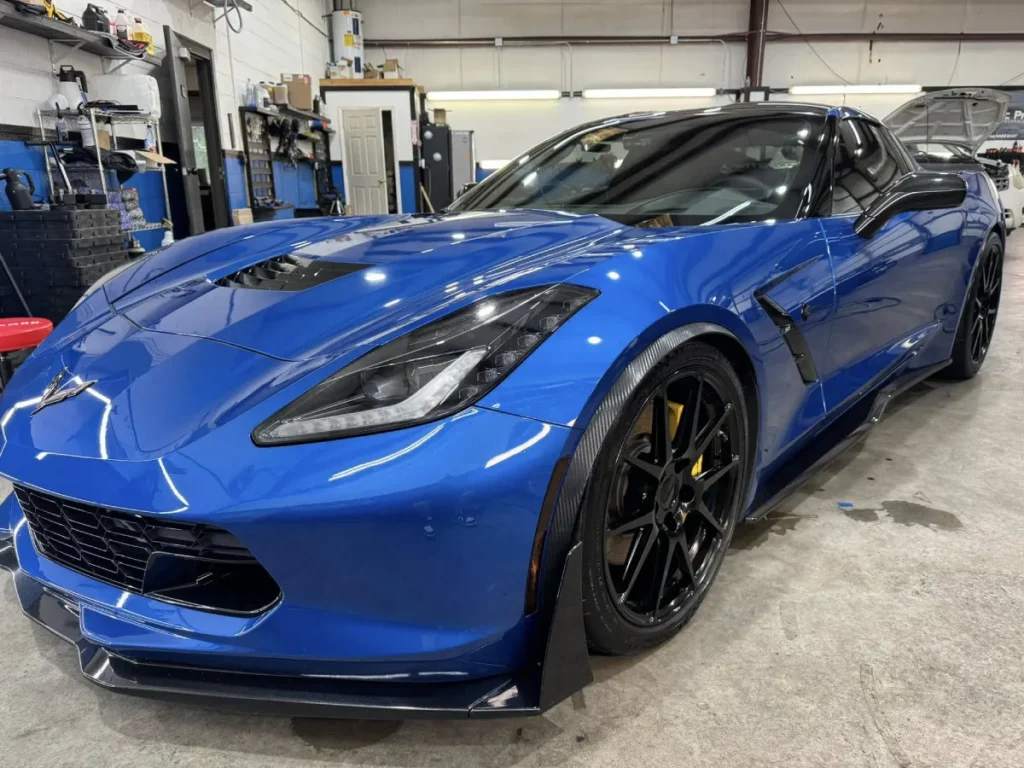
Industry Myth: “Darker Tint = Better Protection.”
This belief is widespread and incorrect.
What Actually Happens
- Heat rejection is driven by film composition, not tint percentage
- Visibility declines rapidly below 20% VLT
- Lower-quality dark films often underperform lighter, advanced films
A properly engineered ceramic film at a moderate tint level can outperform a darker, lower-quality product across every measurable category.
Conclusion: Darkness changes how a vehicle looks. Technology determines how it performs.
Why Ceramic Film Has Become the Standard
Modern ceramic films address the limitations of older tint technologies by separating performance from darkness.
What Sets Ceramic Film Apart
- High infrared heat rejection without reducing visibility
- Stable color that resists fading over time
- No interference with electronic signals
- Consistent clarity in both bright and low-light conditions
This shift toward performance-based materials is why many specialists in window tinting in Raleigh prioritize ceramic film systems for daily-driven vehicles.
What Defines a “Safe” Tint Setup
A safe tint setup is not defined by a single factor. It’s the result of multiple elements working together.
- Legally Defensible VLT Range
Staying within 20–35% reduces compliance risk. - Consistent Visibility Across Conditions
The film must perform in daylight, at night, and during adverse weather. - High-Performance Material
Ceramic construction provides measurable benefits beyond appearance. - Precision Installation
Even high-end film will underperform if installed incorrectly. - Alignment with Usage
The vehicle’s environment and driving patterns should guide the final decision.
When one of these elements is overlooked, the overall system becomes less effective.
Professional Recommendation Based on Experience
After years of experience working with a wide range of vehicles, driving conditions, and customer expectations, the recommendations remain consistent:
- 35% VLT is the safest and most versatile option
- 20% VLT is suitable for drivers prioritizing privacy
- Ceramic film is the preferred material for performance and longevity
- Proper installation is essential for achieving the expected results
Drivers comparing Raleigh window tinting options often notice that the difference between average and professional work becomes apparent within weeks, especially in clarity and durability.
In Summary
For maximum privacy without compromising safety or legality, the optimal choice is 20%–35% VLT paired with a high-performance ceramic film like KAVACA Window Tint. This combination delivers real-world results, consistent visibility, effective heat rejection, and long-term durability.
If you’re evaluating Raleigh, NC window tinting, the outcome depends as much on installation quality as it does on the film itself. At Ceramic Pro Raleigh, every installation is based on proven performance standards and practical driving conditions.
Contact us today to get a tint solution engineered for how you actually drive, not just how it looks
People Also Ask
What is the darkest legal tint for daily driving?
In most cases, 20%–35% VLT is the darkest practical range while maintaining compliance and usability.
Is 20% tint safe at night?
Yes, but it reduces visibility compared to 35%, particularly in low-light or poorly lit environments.
Does a darker tint block more heat?
No. Heat rejection depends on film technology, not tint darkness.
Can you see clearly through 35% tint at night?
Yes. It maintains strong visibility while still providing moderate privacy.
Which tint offers the best overall balance?
A 35% ceramic tint provides the most consistent performance across visibility, comfort, and compliance.