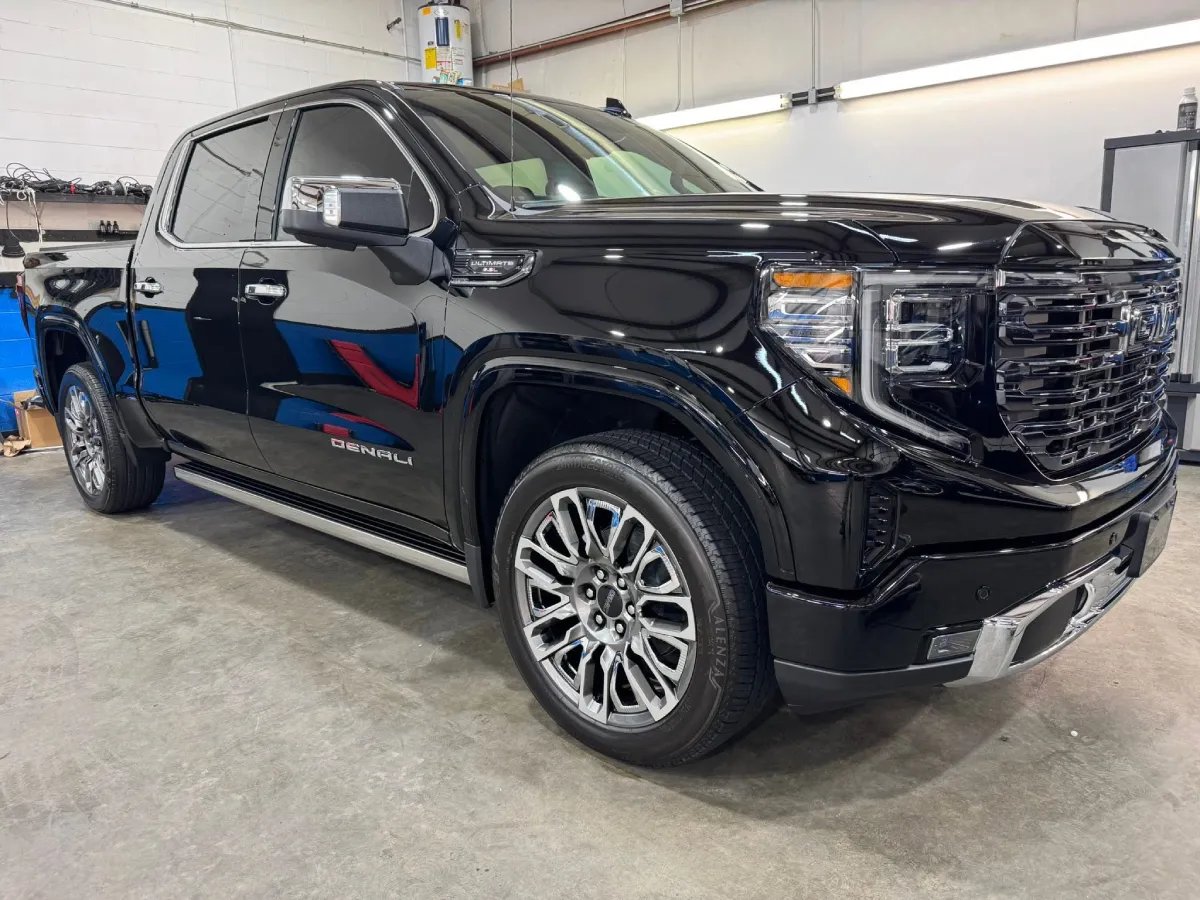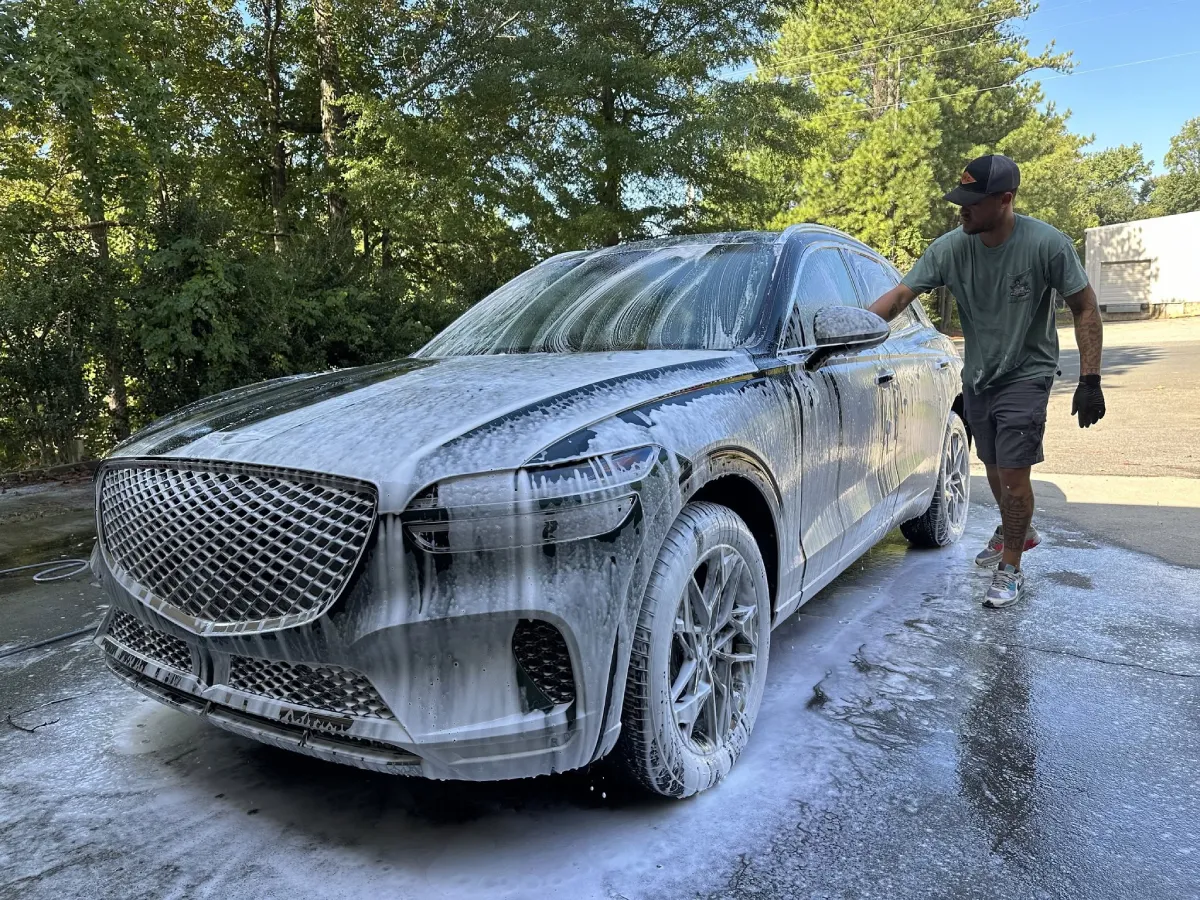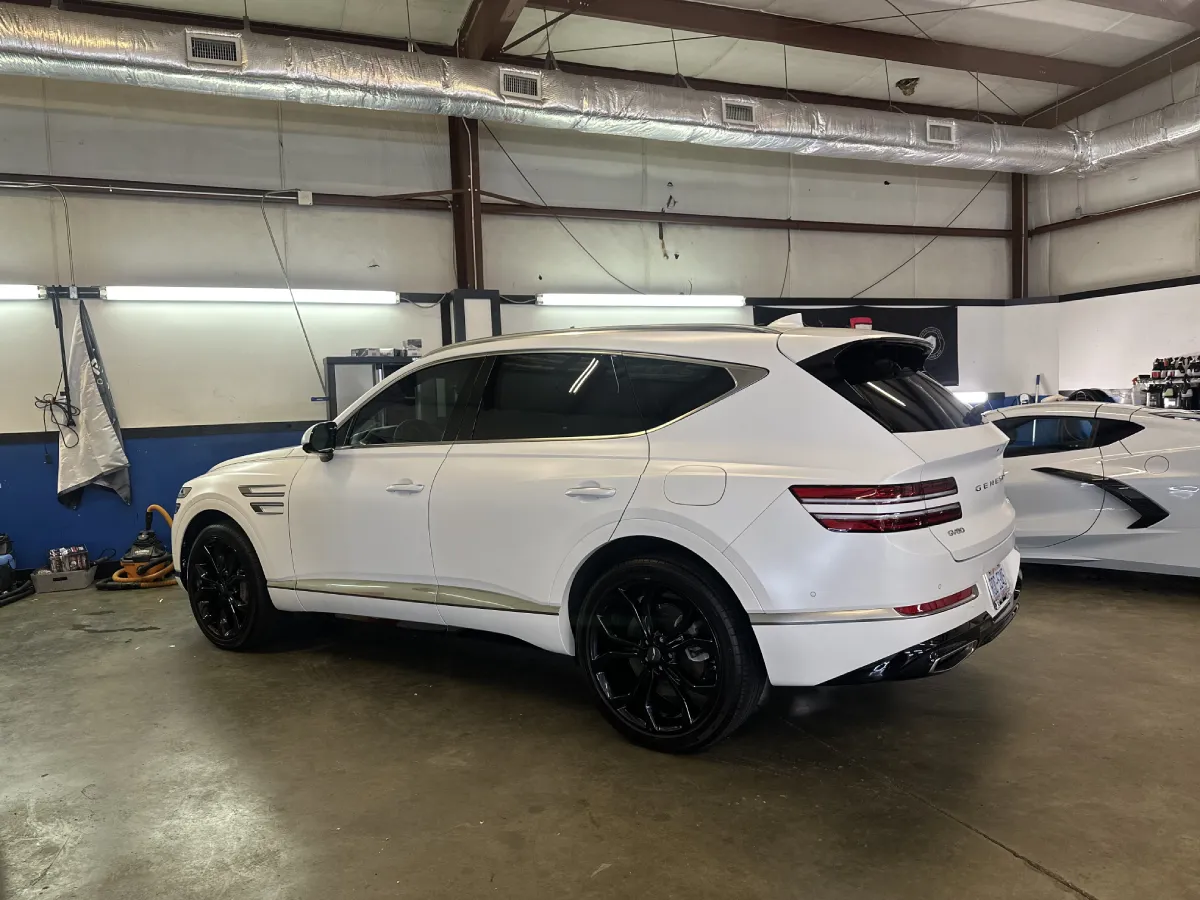
Window tint often looks significantly darker from the outside while still appearing relatively clear from the inside because of how light interacts with layered film technology and how the human eye adapts to different brightness levels. The effect is caused by differences in contrast between environments, not by a true “one-way” optical barrier.
In real-world use, window film is designed to reduce heat and glare while preserving usable outward visibility. This creates a predictable visual imbalance: outside observers see a dark reflective surface, while occupants inside experience improved clarity and comfort.
How Window Film Controls Light, Heat, and Visibility
Modern window tint in Raleigh is an engineered optical filter rather than a simple shading layer. It manages multiple aspects of solar energy simultaneously, which directly affects how it appears on both sides of the glass.
Primary functions of window film
Window films are designed to:
- Reduce visible glare from sunlight and artificial lighting
- Block ultraviolet (UV) radiation that causes fading and skin exposure
- Reject infrared (IR) heat to improve interior temperature control
- Balance light transmission and reflection for privacy and visibility
These functions work together to produce the “dark outside, clear inside” effect under daytime conditions.
Visible Light Transmission and Why It Is the Key Factor
Visible Light Transmission (VLT) is the most important measurable specification when evaluating how a tint will appear under real-world conditions.
Technical definitions
- Visible Light Transmission (VLT): Percentage of visible light passing through glass and film
- Infrared Rejection (IRR): Percentage of heat energy blocked by the film
- UV Rejection: Amount of ultraviolet radiation filtered out
- Reflectivity: The amount of light reflected from the surface of the film
- Optical clarity: Sharpness and distortion-free visibility through the film
A lower VLT percentage results in a darker appearance from the outside. However, interior visibility is not determined by darkness alone; it is strongly influenced by contrast and eye adaptation.
Why Tint Looks Darker From Outside Than Inside
The difference in perception stems from a combination of light’s physical behavior and human visual response, which is why window tinting in Raleigh, NC, can appear significantly different under varying lighting and viewing conditions.
1. Exterior brightness creates a strong contrast
When sunlight hits tinted glass, the exterior environment is significantly brighter than the interior. This difference in brightness causes the film to reflect more light outward and reduces visible interior detail from the outside.
This is why cars and buildings often appear darker when viewed in daylight.
2. Human eyes adapt to interior lighting conditions
Inside a vehicle or building, the human eye adjusts to lower ambient light. This adaptation increases contrast sensitivity, allowing occupants to see outside more clearly than expected, even through darker film.
This is a biological response known as light adaptation, and it plays a major role in perceived clarity.
3. Reflection shifts toward the brighter side
Window film does not block all light equally; it reflects and transmits light depending on intensity. During the day, the brighter side (outside) receives more reflection, which reduces visibility into the interior.
At the same time, occupants inside are looking through a less-reflective medium, which improves outward visibility.
Inside vs Outside Visibility Comparison
| Factor | Outside Perspective | Inside Perspective |
| Light exposure | High sunlight intensity | Lower controlled lighting |
| Contrast level | Low interior visibility | High exterior detail visibility |
| Reflection behavior | Strong reflection of surroundings | Reduced internal reflection interference |
| Perceived tint darkness | Dark and opaque appearance | Lighter and more transparent view |
Types of Window Film and Their Performance Differences
Different film technologies produce different results in terms of clarity, heat rejection, and exterior appearance.
Dyed Window Film
Dyed film uses a pigment layer to absorb solar energy.
- Reduces glare effectively
- Affordable entry-level option
- Can fade over time with prolonged sun exposure
- Limited infrared heat rejection
This type is often chosen for cosmetic improvements rather than high-performance heat control.
Metalized Window Film
Metalized films incorporate microscopic metallic particles that reflect heat.
- Strong heat rejection performance
- More reflective exterior appearance
- May interfere with GPS, radio, and mobile signals
- Produces a mirror-like finish in bright conditions
Carbon Window Film
Carbon films use carbon particles instead of metal or dye.
- Stable color that resists fading
- Non-reflective matte finish
- Good heat rejection performance
- No signal interference issues
Carbon films are often used in long-term durability applications.
Ceramic Window Film
Ceramic films use nano-ceramic particles that selectively block infrared heat while allowing visible light to pass through efficiently.
- High heat rejection without heavy darkening
- Excellent optical clarity from inside
- No interference with electronic signals
- Long-term durability and color stability
Ceramic technology is widely considered the premium standard for balancing performance and visibility.
Why “One-Way Tint” Is a Misleading Concept
The idea of true one-way window tint is often misunderstood. In reality, no standard automotive or architectural film creates permanent one-way visibility under all conditions.
Visibility depends on environmental lighting balance:
- Bright exterior + darker interior = privacy from outside
- Dark exterior + bright interior = reduced privacy
- Equal lighting = reduced directional advantage
At night, when interior lighting exceeds exterior lighting, the privacy effect can completely reverse.
This is why lighting conditions are more important than film type when evaluating privacy performance.
Common Misconceptions About Window Tint
Darker tint equals better performance
This is incorrect. Heat rejection is determined by film technology, not darkness level. Some lighter ceramic films outperform darker dyed films in real-world heat reduction.
Privacy is constant throughout the day
Privacy changes based on lighting conditions. During daylight, exterior privacy is strong. At night, interior lighting can reverse this effect.
All ceramic films perform the same
Ceramic films vary significantly in particle quality, density, and manufacturing processes, which affects heat rejection and clarity.
Tint significantly reduces night driving visibility
High-quality films are designed to maintain safe night visibility. Poor-quality or overly dark films are what typically cause visibility issues.
Key Performance Specifications That Actually Matter
When evaluating window film, technical specifications provide a more accurate understanding than visual appearance alone.
- VLT (Visible Light Transmission): Controls brightness and privacy level
- TSER (Total Solar Energy Rejection): Measures overall heat rejection efficiency
- IR Rejection: Indicates infrared heat blocking capability
- UV Protection: Reduces fading and harmful exposure
- Optical clarity: Ensures distortion-free visibility through glass
These metrics define real performance in both automotive and architectural environments.
How Window Tint Performs in Real Conditions
In Raleigh, NC, window tint performance varies with the environment and lighting conditions.
During bright daylight, exterior observers experience high glare, making tinted glass appear darker and more reflective. Inside, occupants benefit from reduced brightness and improved visual comfort.
On cloudy or overcast days, contrast differences are reduced, making the tint appear lighter from both sides.
At night, interior lighting becomes dominant. If interior lights are bright, visibility from outside increases significantly regardless of the tint darkness.
This dynamic behavior is why real-world performance differs from controlled lab measurements.
About Ceramic Pro Raleigh
Ceramic Pro Raleigh provides professional-grade surface protection services, including advanced ceramic window film installations designed to reduce heat, provide UV protection, and maintain long-term optical clarity.
The installation approach is based on measurable performance factors rather than appearance alone. Each film is selected according to real-world conditions such as sun exposure, driving patterns, building orientation, and comfort requirements.
By using manufacturer-tested specifications such as VLT, IR rejection, and TSER ratings, installations are designed to deliver consistent performance across varying lighting conditions.
This ensures that the selected film performs reliably not just on paper but in daily-use environments.
In Summary
Window tint appears darker from the outside but clearer from the inside due to controlled light transmission, reflection behavior, and human visual adaptation. The effect is not a trick or illusion but a predictable outcome of optical physics and environmental contrast.
Choosing the right film requires balancing heat rejection, clarity, and comfort rather than focusing solely on darkness levels. When properly selected and installed, modern ceramic films provide a strong combination of privacy, visibility, and long-term performance.
For professional installation and consultation, Ceramic Pro Raleigh delivers high-performance solutions tailored to real-world driving and building conditions.
Contact us today to discuss your window tinting goals and find the right film solution for your vehicle, home, or commercial property.
FAQ
Why does the window tint look darker from the outside?
Because exterior light is much brighter than interior light, increasing contrast and makes the film appear darker.
Can people see inside during the day?
It depends on VLT level, film quality, and lighting differences between inside and outside.
Does ceramic tint improve clarity?
Yes. Ceramic films generally provide better optical clarity and reduced haze compared to dyed films.
Is a darker tint always better for privacy?
No. Privacy depends more on lighting conditions and film technology than darkness alone.