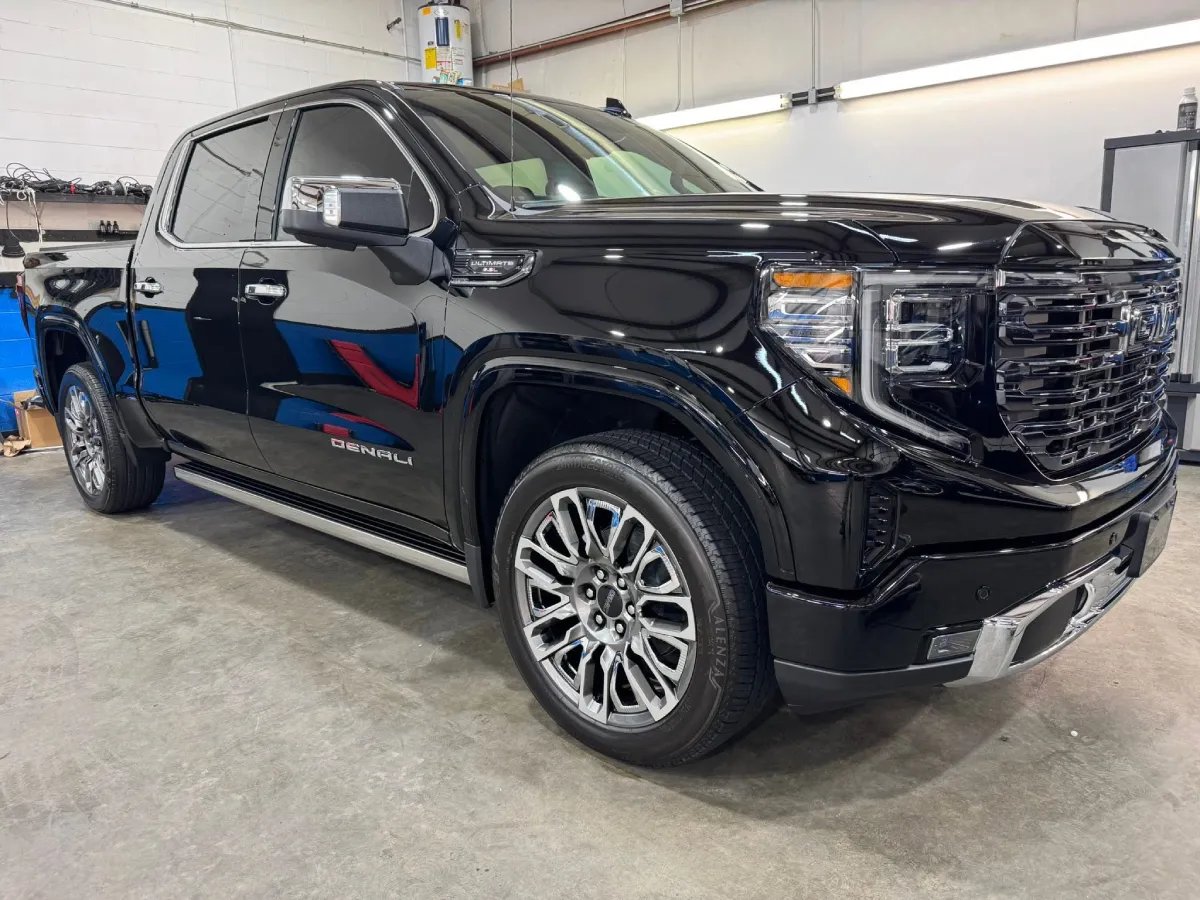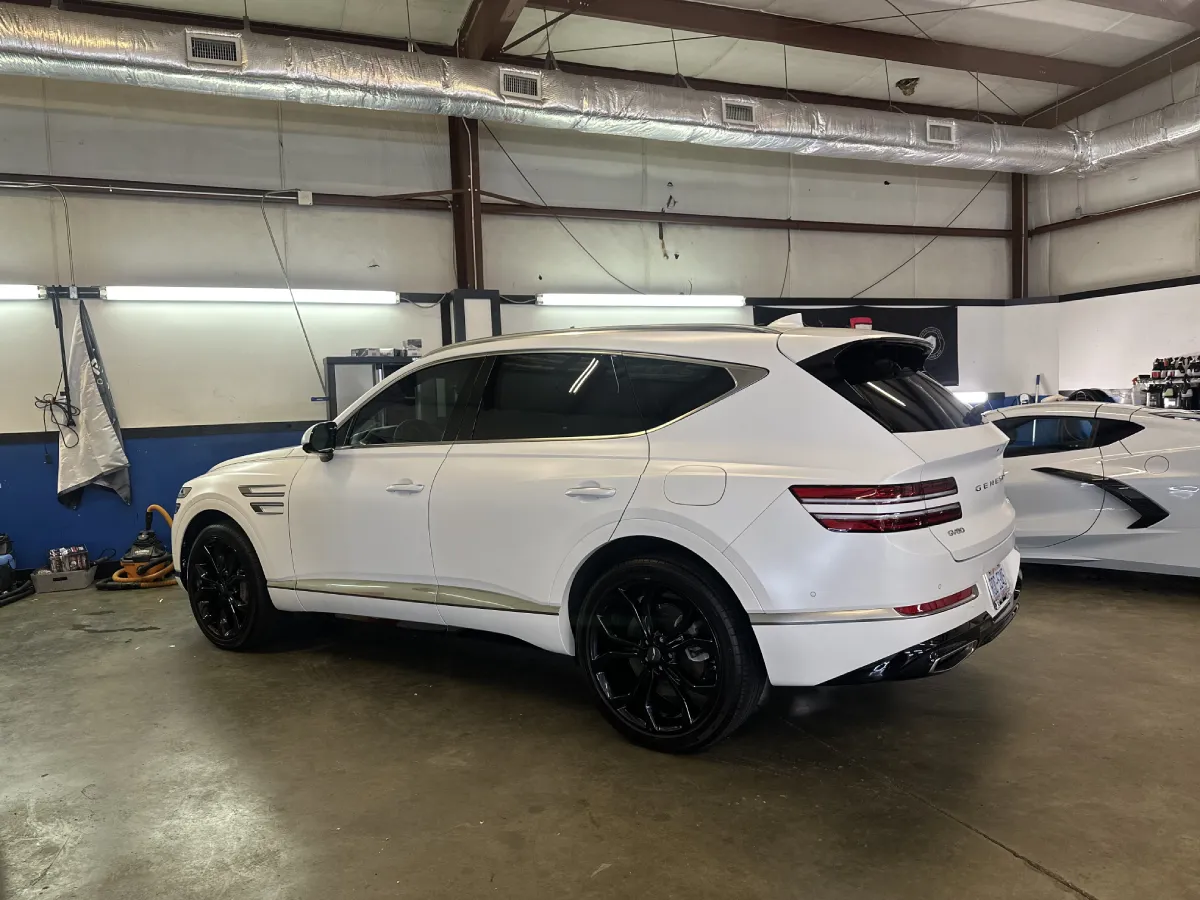
Ceramic window tint and multi-layered nano-carbon films are the premier choices for heat and UV protection. These advanced films block up to 99.9% of harmful UVA/UVB rays and over 90% of infrared heat. Unlike budget-dyed films, ceramic technology uses non-conducting particles that reflect thermal energy without interfering with GPS, cellular signals, or radio frequencies.
Investing in professional window film is a strategic move to preserve both your health and your vehicle’s interior integrity. With solar energy constantly assaulting your cabin, understanding the physics of heat rejection is essential for selecting a film that provides a measurable return on investment. In a climate where the “oven effect” inside a parked car can exceed 140°F, the right film acts as a permanent thermal barrier.
The Evolution of Solar Protection Technology
At Ceramic Pro Raleigh, we have built our reputation on years of experience in the surface protection industry. We have seen the transition from basic aesthetic “limo tints” to high-performance nanoceramic coatings. The technology has evolved from simple polyester sheets with ink to complex, multi-layered films that utilize aerospace-grade materials to filter the solar spectrum.
For those seeking premium window tinting in Durham, NC, the focus has shifted toward materials that offer long-term stability. Older films were notorious for turning purple or bubbling after just two summers because the dyes would break down under UV exposure. Modern nano-ceramics are inorganic, meaning they do not fade in the sun the same way, ensuring the color and performance remain consistent for the life of the vehicle.
The Physics of the Sun: UV vs. IR
To choose the right film, you must understand what you are fighting. Solar energy is comprised of three main elements:
- Ultraviolet (UV) Light: The invisible radiation responsible for skin aging and interior material breakdown (fading and cracking).
- Visible Light (VLT): The light we see. It contributes to glare and accounts for nearly half of the heat buildup in your car.
- Infrared (IR) Light: The invisible radiation felt as “burning” heat on the skin. This is the primary target for cooling.
Comparing the Top Window Tinting Materials
Not all films are created equal, and the price difference usually reflects the sophisticated science embedded in the layers. High-performance films use nanotechnology to block heat without needing to be dark.
| Film Type | UV Rejection | Infrared (Heat) Rejection | Longevity | Signal Interference |
| Standard Dyed | 99% | Low (<20%) | 2-5 Years | None |
| Metalized Film | 99% | Moderate (40-50%) | 5-10 Years | High (GPS/Cell) |
| Nano-Carbon | 99% | High (50-65%) | Lifetime | None |
| Nano-Ceramic | 99.9% | Extreme (90%+) | Lifetime | None |
1. Nano-Ceramic Films (The Professional Standard)
Nano-ceramic films are engineered with microscopic ceramic particles that are non-conductive and non-metallic. This is the premier choice for those prioritizing heat rejection. Because the particles are so small, they offer crystal-clear visibility while blocking the lion’s share of solar energy. This technology allows us to offer films that are nearly clear but still block more heat than the darkest, cheapest tints on the market.
2. High-Performance Carbon Films
Carbon films offer a unique matte-black finish that doesn’t fade over time. While they provide excellent UV protection, their infrared rejection is slightly lower than that of ceramic. However, they are an excellent middle-ground for those who want a lifetime warranty and a sleek look without the premium price of top-tier ceramic.
Key Performance Specifications Defined
When reviewing product data sheets, you will encounter several technical terms. Here is a breakdown of what they mean for your driving experience:
- VLT (Visible Light Transmittance): The percentage of visible light that passes through the glass.
- TSER (Total Solar Energy Rejected): The most accurate metric for performance; it measures the combined rejection of UV, IR, and visible light.
- IRER (Infrared Energy Rejection): A modern standard measuring heat rejection across a wider spectrum of infrared light.
- U-Value: Measures how well the window film insulates, helping keep heat inside during the winter months.
Why Heat and UV Protection Matter for Longevity
The sun’s impact varies by geography, but the intensity in the Piedmont region is significant. High humidity often traps heat, making the interior of a vehicle feel even more oppressive. During a recent installation for a client in Hope Valley, we measured interior cabin temperatures that exceeded 145°F before the film was applied. To combat these temperatures, professional window tinting in Durham services prioritize high TSER ratings to ensure the AC system isn’t overworked.
Preserving the Interior
UV rays are the primary cause of interior degradation. We recently performed a leather restoration for a vintage vehicle near the Brightleaf District, where the dashboard had cracked solely due to years of unprotected sun exposure. A quality ceramic film acts as a permanent sunscreen for your leather, plastic, and vinyl. Even if you don’t want “dark” windows, a clear ceramic film can stop the chemical breakdown of your car’s interior materials.
Debunking the Myth: “Darker Tint Equals Better Heat Protection”
One of the most common misconceptions in the window film industry is that the darkness of the tint (VLT) determines how much heat is blocked.
This is factually false.
Many consumers believe that by choosing a “limo tint,” they are getting the maximum cooling effect. In reality, a very dark, cheap dyed film may provide privacy, but it actually absorbs heat rather than reflecting it. This heat eventually radiates into the cabin through the glass.
Conversely, high-end ceramic films can be nearly clear yet block more heat than a 5% dyed tint. If you are researching Durham, NC, window tinting options, remember that the “Nano” technology, the ceramic or carbon content, is what keeps you cool, not the tint’s shade. This allows for windshield protection that reduces heat without compromising night vision.
Precision Installation and Longevity
The quality of the film is only half the battle; the environment in which it is installed determines the final result. At Ceramic Pro Raleigh, our shop utilizes clean-room protocols to ensure that no dust or debris is trapped between the film and the glass.
While working on a high-performance electric vehicle for a customer in Woodcroft, we utilized computer-cut patterns rather than hand-cutting on the glass. This ensures a perfect edge-to-edge fit and prevents scratching the glass or damaging the defroster lines. Superior Durham window tinting requires this level of precision to avoid peeling, bubbling, or light gaps that can distract the eye and degrade the vehicle’s appearance.
The Ceramic Pro Raleigh Difference
Choosing the right window tint is an investment in your comfort, health, and vehicle’s resale value. At Ceramic Pro Raleigh, we combine years of experience with the industry’s most advanced films to deliver results that exceed expectations.
Our team doesn’t just “stick plastic on glass.” We analyze the specific needs of your vehicle, whether it’s a rugged SUV meant for weekend trips or a high-end luxury sedan, and recommend the specific TSER and VLT combination that will serve you best. We are committed to transparency, technical excellence, and the highest standards of customer service.
Don’t let the sun damage your interior or ruin your daily commute. Protect your investment today with the highest-rated protection available.
Ready to stay cool and protected? Contact us today at Ceramic Pro Raleigh for a free quote and professional consultation!
People Also Ask (FAQ)
What is the legal tint limit in NC?
In North Carolina, the legal limit for passenger vehicles is 35% VLT on all windows. For SUVs and vans, the 35% limit applies to the front side windows, while the rear windows can be darker.
Does ceramic window tint interfere with GPS or Cell Signals?
No. Unlike older “metalized” films that used tiny metal flakes to reflect heat, ceramic and carbon films are “signal friendly.” You won’t experience dropped calls or GPS lag due to your window film.
How long does window tint take to dry?
Depending on the humidity, it typically takes 3 to 7 days for the moisture to evaporate and the adhesive to fully bond. We recommend keeping your windows rolled up during this period.
Can window tint be applied over factory privacy glass?
Yes. Most trucks and SUVs come with “privacy glass” on the rear windows. This is just dark pigment inside the glass; it offers almost zero heat rejection. Adding a ceramic film over it is the best way to keep your passengers cool.